Fuel economy usually changes before anything feels truly broken. You fill the tank, drive the same routes, and notice the needle dropping faster than it used to. Maybe the trip computer shows worse mileage, or maybe you are simply stopping for fuel sooner than normal.
A car burning more fuel than usual is not always due to a single major failure. It can come from tires, brakes, sensors, filters, ignition parts, driving conditions, or an engine that is working harder than it should. The tricky part is that many of these problems build slowly, so the driver adapts until the fuel bill makes the change obvious.
Low Tire Pressure Makes The Engine Work Harder
Underinflated tires are one of the simplest causes of poor fuel economy. When tires are low, they create more rolling resistance. The engine has to use more energy to keep the vehicle moving, especially at highway speeds.
Low pressure can also make tires wear unevenly and run hotter. A tire may not look flat from the outside, but it can still be several pounds low. Temperature changes can affect pressure too, so a tire that was fine weeks ago may not be fine today.
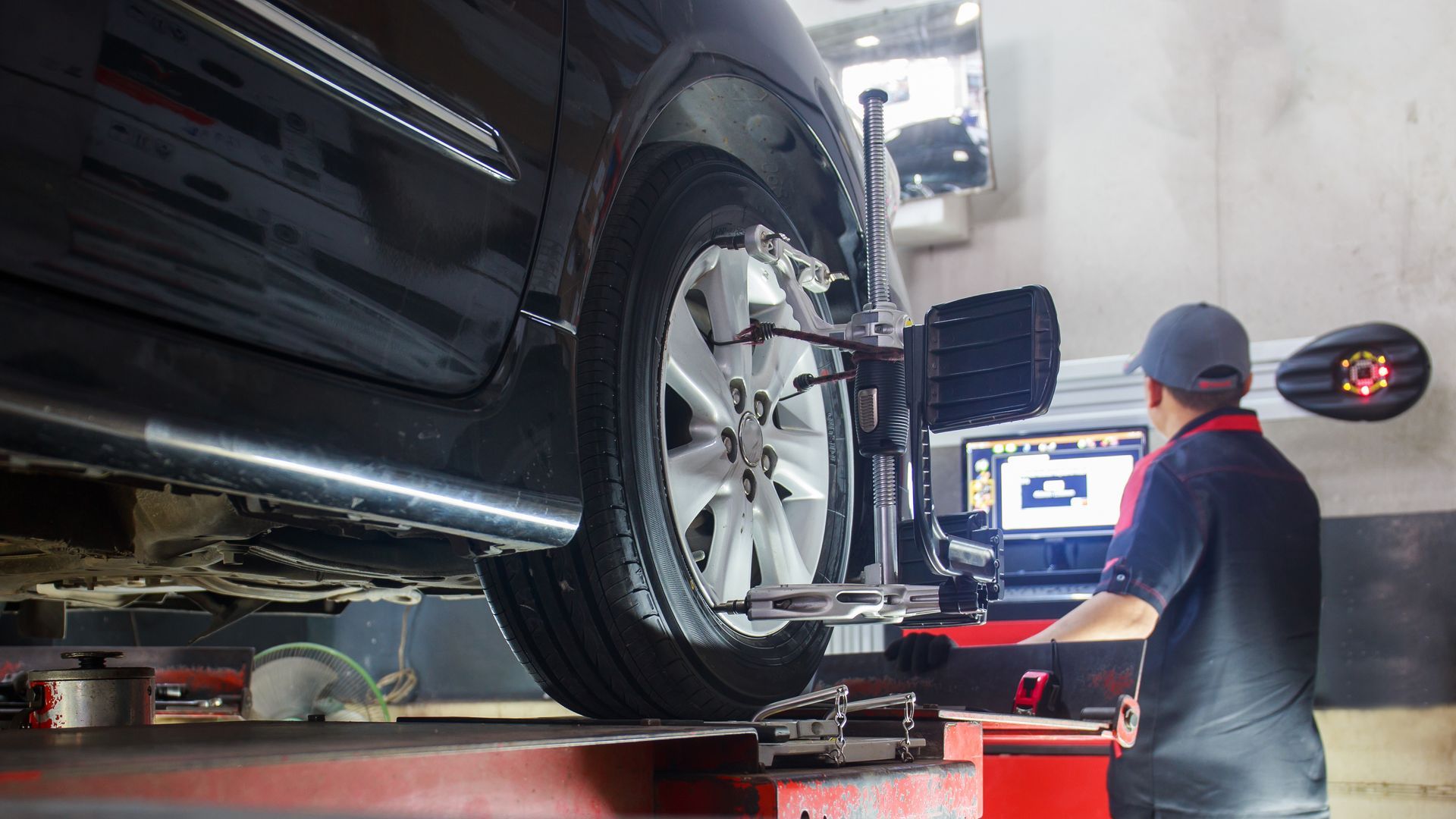
Tire pressure should be checked when the tires are cold and set to the vehicle’s recommended pressure, not the number printed on the tire sidewall. If one tire keeps losing air, there may be a nail, valve stem leak, bead leak, or wheel corrosion issue.
A Dirty Air Filter Can Limit Breathing
An engine needs clean airflow to burn fuel properly. A dirty air filter can restrict that airflow, especially during acceleration or uphill driving. The vehicle may still run, but it can feel dull and use more fuel than it should.
Modern engine computers can adjust for many conditions, but they cannot make a clogged filter disappear. If airflow is restricted, the engine may not respond as well, and fuel economy can suffer.
The air intake should also be checked for debris, cracked intake tubing, loose clamps, or sensor contamination. A leaf-packed air box or split intake hose can create problems that feel bigger than the part looks.
Worn Spark Plugs Can Waste Fuel
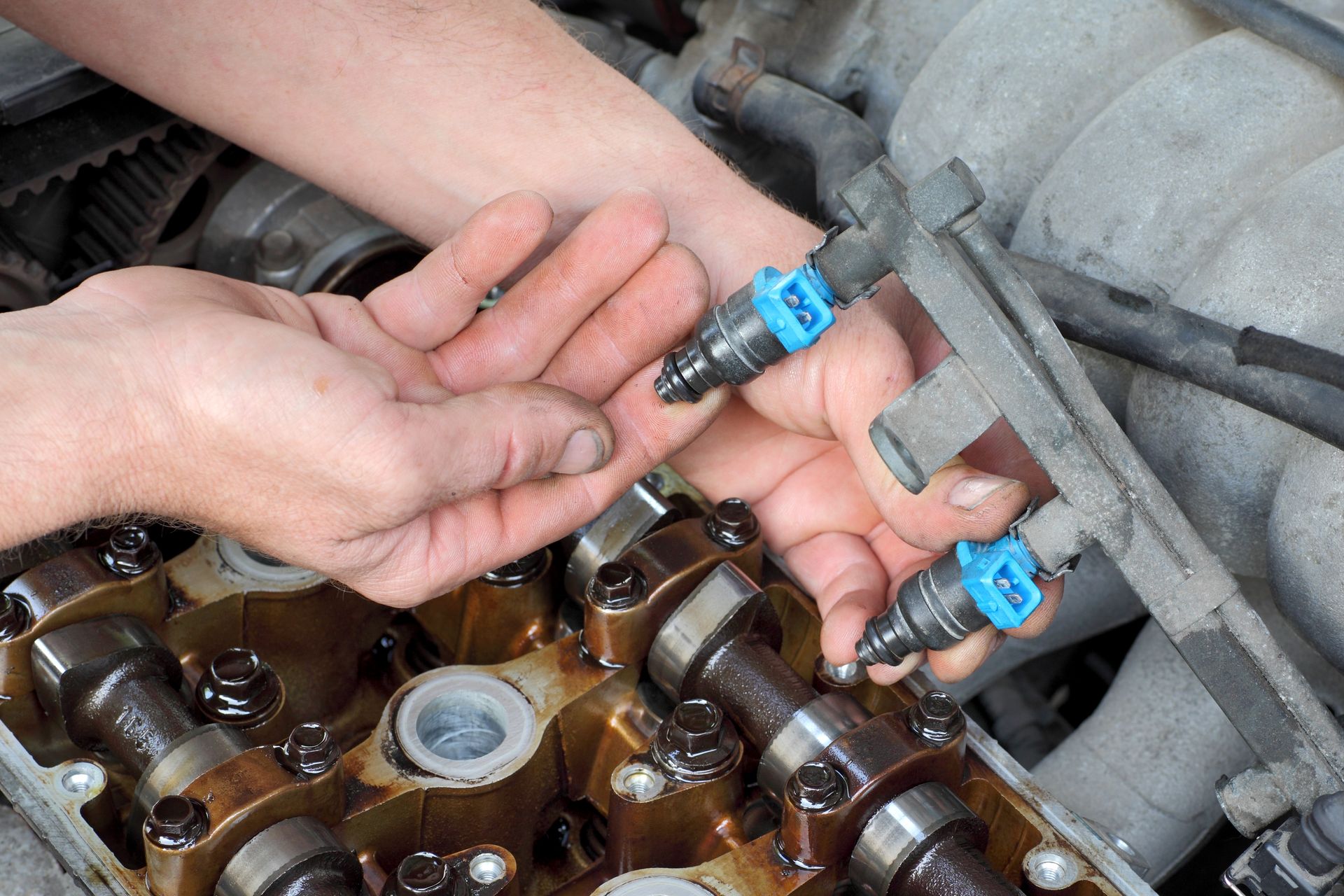
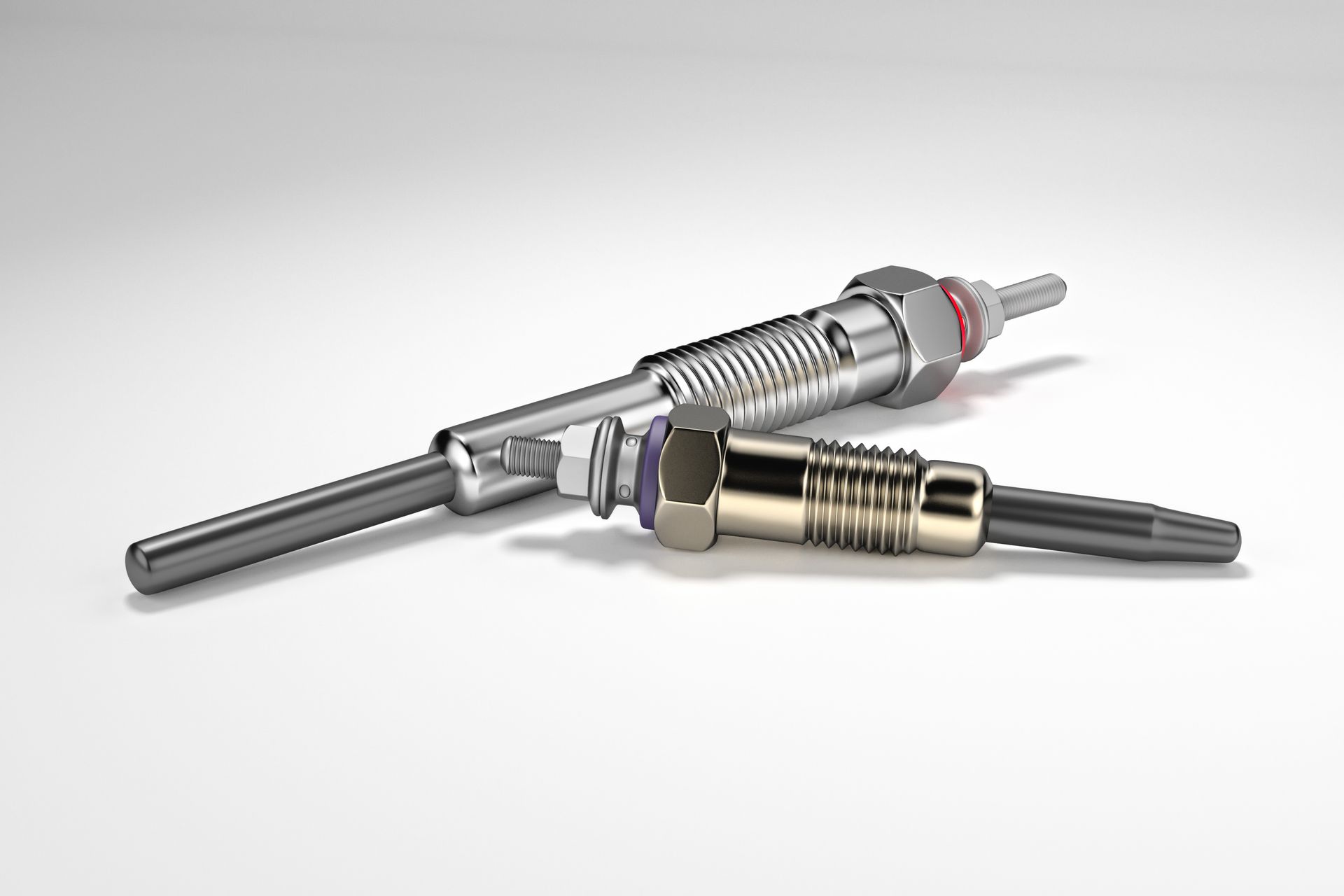
Spark plugs ignite the air-fuel mixture inside the engine. When they wear, the spark can become weaker or less consistent. The engine may still start and run, but combustion may not be as clean as it should be.
Worn plugs can cause a rough idle, hesitation, slower acceleration, and increased fuel consumption. Sometimes the change is mild enough that the check engine light stays off. Other times, a misfire code appears because one cylinder is no longer doing its job correctly.
Ignition coils, plug wires on vehicles that use them, and coil boots should be checked with the plugs. Replacing spark plugs without looking at the rest of the ignition system can miss the cause of poor combustion.
Dragging Brakes Can Burn Fuel Without Engine Trouble
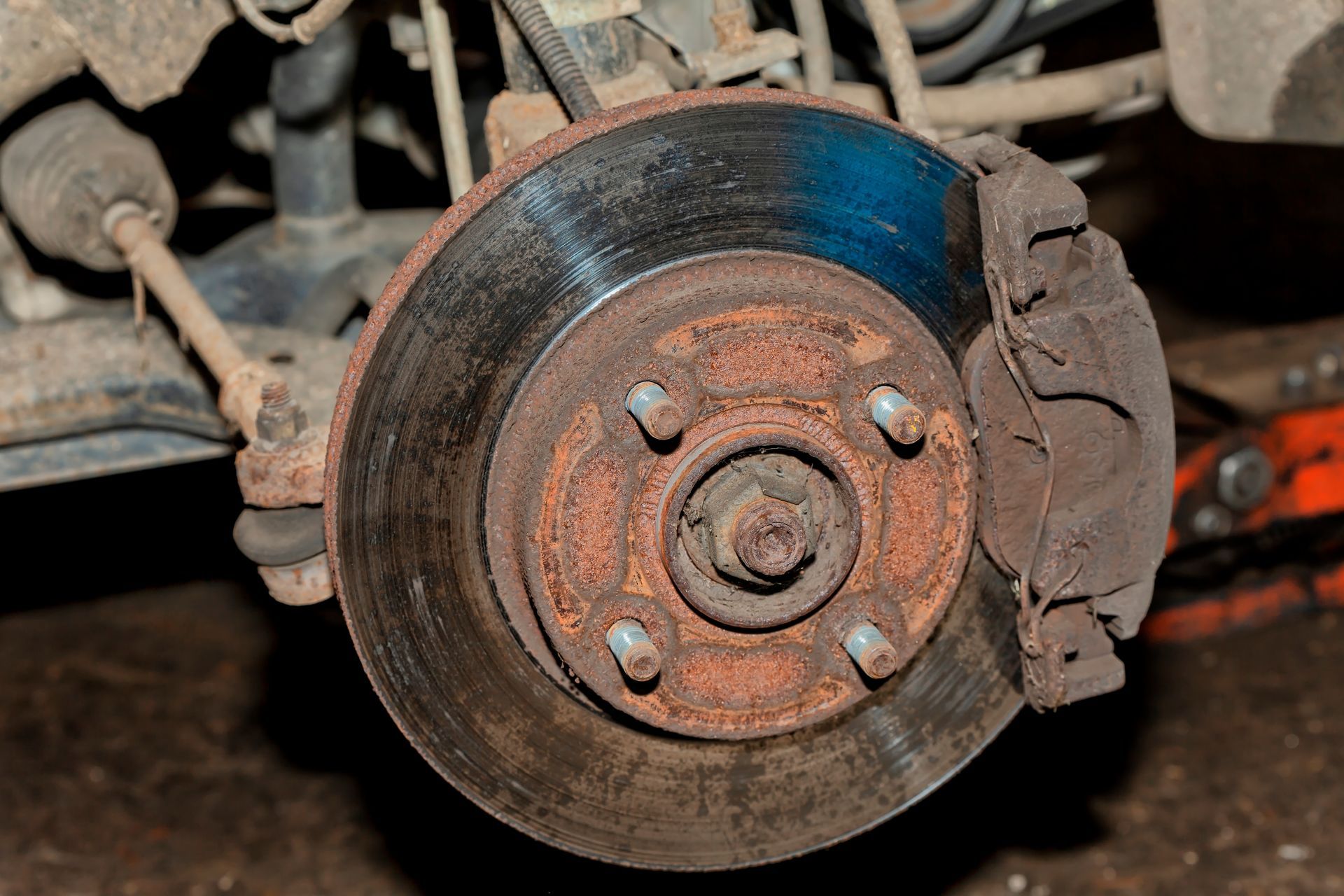
A car can use more fuel because it is fighting itself. If a brake caliper sticks, a slide pin seizes, or a brake hose restricts fluid return, one brake may stay partly applied while driving.
That extra drag forces the engine to work harder. The driver may notice a hot smell, pulling, lower fuel economy, more brake dust on one wheel, or one wheel that feels hotter than the others after a drive. Sometimes the car just feels heavier than normal.
This is easy to mistake for engine weakness. The engine may be fine, but the vehicle is carrying resistance at one corner. A brake inspection can catch dragging brakes before they damage pads, rotors, and calipers.
Sensors Can Send The Wrong Information
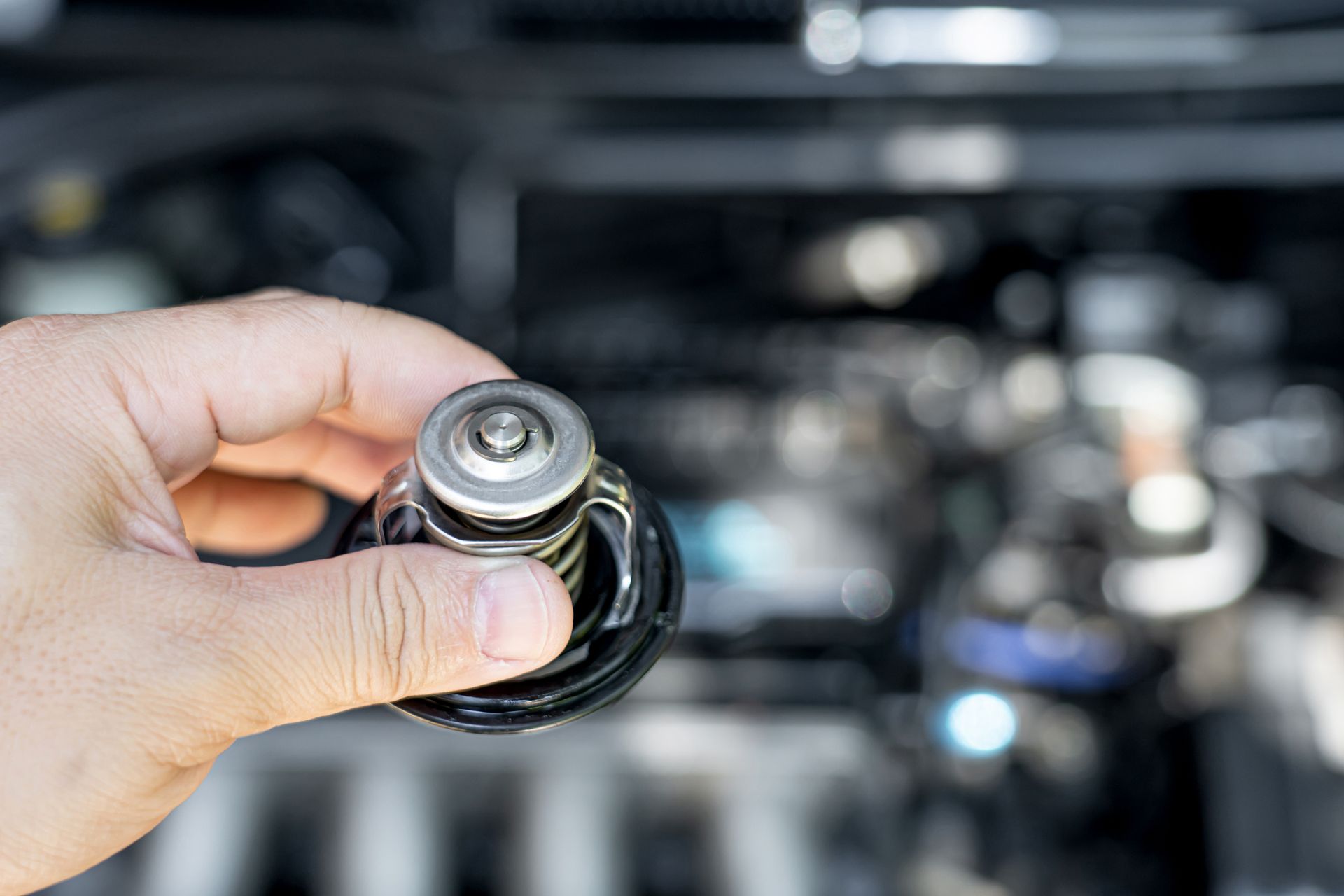
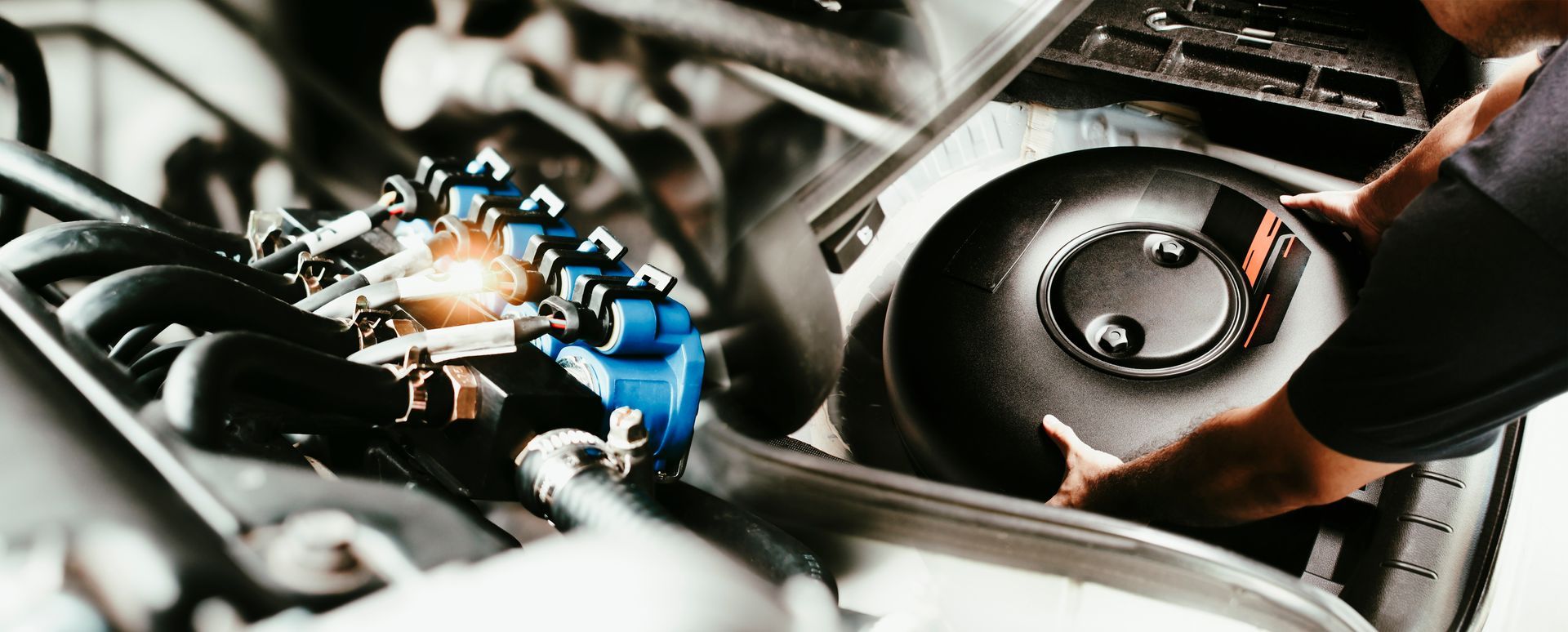
Modern engines depend on sensor data. Oxygen sensors, mass airflow sensors, coolant temperature sensors, fuel trims, and thermostat readings all help the computer decide how much fuel to use.
If a sensor is dirty, slow, or reading incorrectly, the engine may run richer than needed. That means it uses extra fuel. A bad coolant temperature reading can cause the computer to think the engine is colder than it actually is. A dirty mass airflow sensor can misreport incoming air. A lazy oxygen sensor can affect fuel correction.
These issues do not always create a clear symptom right away. The car may drive normally enough, but fuel economy drops. Scan data can show whether the engine is adding too much fuel and why.
Driving Conditions Can Change Fuel Use
Not every change in fuel economy comes from a broken part. Short trips, traffic, cold starts, heavy A/C use, roof racks, extra cargo, idling, aggressive acceleration, and frequent stops all increase fuel use.
Short trips are especially hard on fuel economy. The engine runs richer when cold, and it may not stay hot long enough to reach its most efficient operation. A vehicle used mostly for quick errands can use noticeably more fuel than the same vehicle driven on longer steady trips.
The key is comparing fairly. If your driving has not changed but fuel use has, the vehicle deserves a closer look.
What To Check When Mileage Drops
Poor fuel economy can come from several small issues working together. These areas are worth checking first:
- Tire pressure and tire wear, because low pressure, uneven tread, or alignment issues can make the engine use more fuel every mile.
- Brake temperature and caliper movement, because one dragging brake can quietly waste fuel and damage brake parts at the same time.
- Air filter and intake condition, because restricted or incorrect airflow can make the engine less efficient under load.
- Spark plugs and ignition parts, because weak combustion can reduce power and waste fuel before the engine feels badly misfired.
- Sensor readings and fuel trims, because the computer may be adding fuel to correct for bad data, leaks, or airflow problems.
- Fluid levels and maintenance history, because old fluids, low fluids, and overdue regular maintenance can all make the vehicle work harder than it should.
A proper inspection should look for patterns instead of blaming the most obvious part first.
Get Fuel Economy Diagnostics In Dieppe, NB, With JP's Garage
If your car is burning more fuel than usual, JP's Garage in Dieppe, NB, can check the tires, brakes, filters, ignition components, sensors, fluids, and related systems to determine why the vehicle is working harder.
For fuel economy diagnostics before a small problem keeps costing you at the pump,
contact us to schedule an appointment.