
BMW vehicles can feel tight, quick, and comfortable for many miles when they are serviced on time. The problem is that early repair clues are not always loud. A small oil seep, slight coolant smell, mild vibration, or brief warning on the dashboard can seem easy to live with.
That is where maintenance makes a big difference. The goal is not to replace parts before they are needed. It is to catch wear, leaks, and system changes while they are still manageable, rather than waiting until the repair bill grows.
Oil Service Can Reveal More Than Dirty Oil
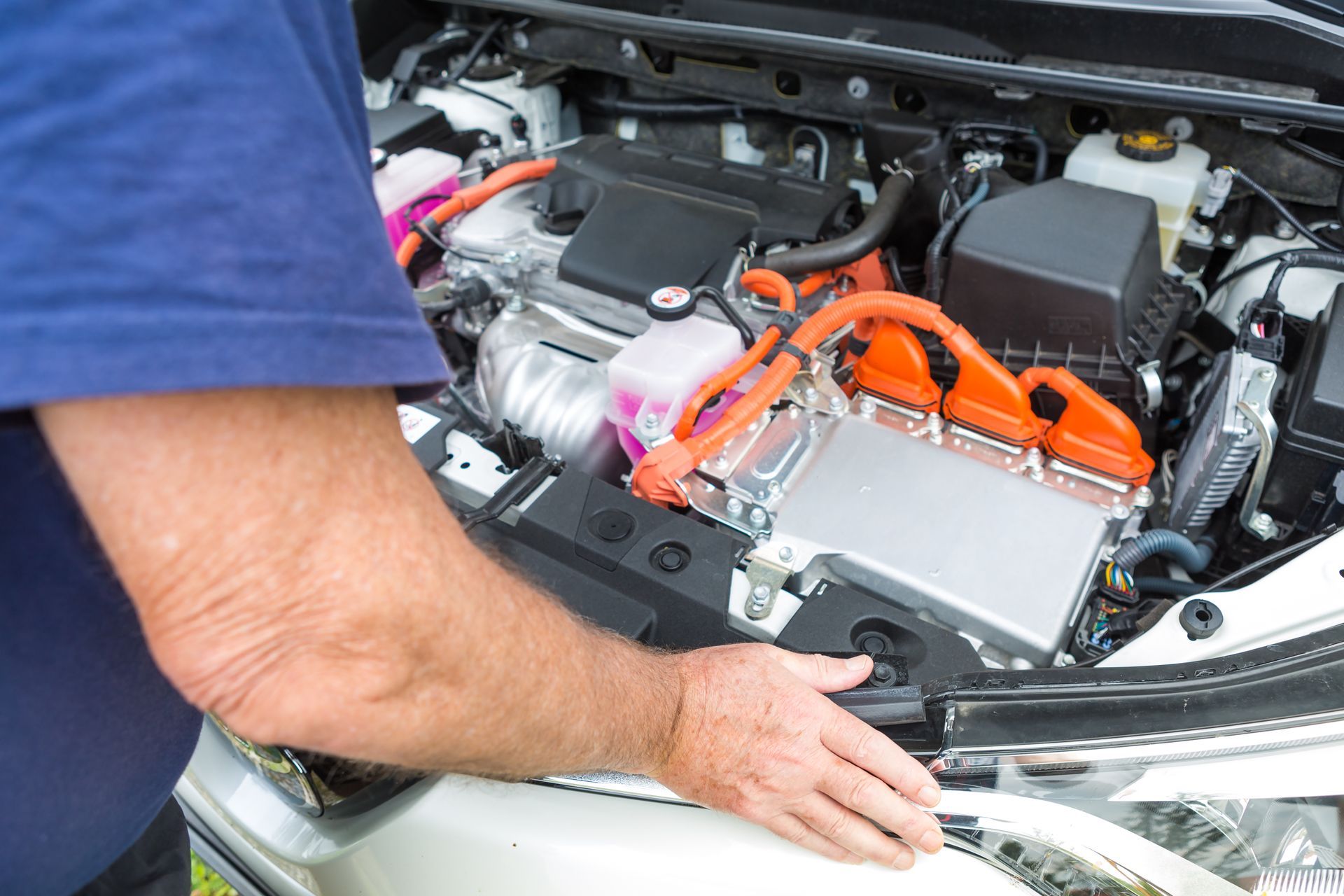
Oil changes are among the most important services for a BMW, but the visit should not end with draining and refilling the oil. The engine bay, oil filter housing, valve cover area, oil pan, belts, hoses, and underbody should all be looked over while the car is in the shop.
Many BMW engines are sensitive to oil quality and oil level. Old oil can affect timing components, turbochargers, variable valve timing parts, and internal engine protection. A proper oil service can also catch early leaks before oil spreads onto belts, mounts, or hot exhaust parts. Regular maintenance gives the technician a chance to spot those changes before they turn into a larger repair.
Cooling System Checks Help Prevent Overheating
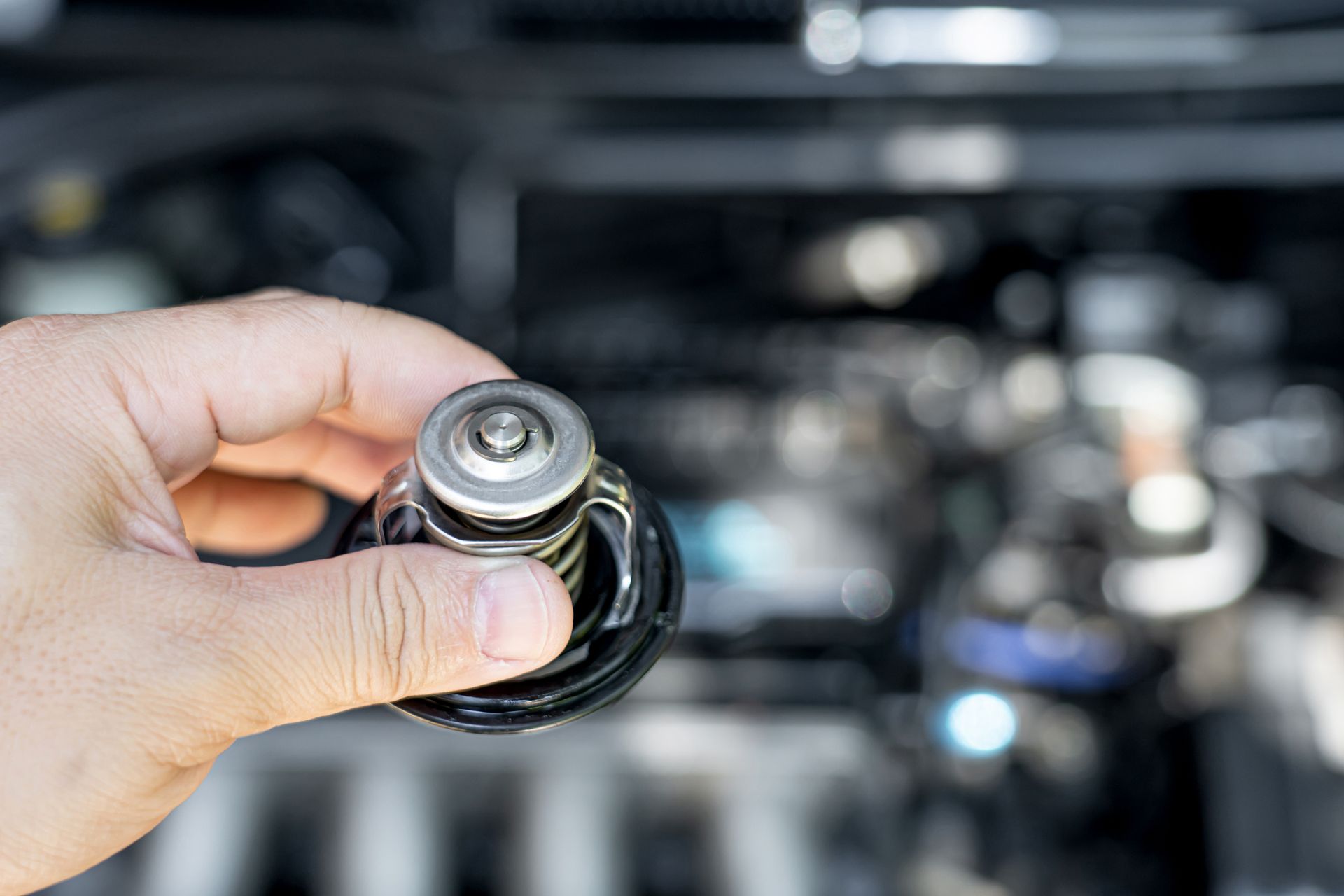
BMW cooling systems need close attention as the vehicle ages. Radiators, expansion tanks, water pumps, thermostats, hoses, and plastic fittings all handle heat and pressure whenever the engine runs. A small leak can start with a faint smell, a low coolant message, or dried residue near a connection.
Overheating is one of the fastest ways to turn a serviceable BMW into an expensive repair. A weak cooling system can lead to head gasket damage, warped parts, and major engine work. Checking coolant level, pressure, flow, and visible leaks during an inspection helps find problems before the temperature gauge starts climbing.
Small Leaks Should Not Be Ignored
BMW vehicles develop oil, coolant, vacuum, and power steering leaks depending on the model and age. Some leaks leave spots on the driveway. Others only show up as residue, odor, or a low fluid level between visits.
Small leaks deserve attention because they rarely stay exactly the same. Oil can damage rubber parts. Coolant loss can lead to overheating. Vacuum leaks can change how the engine runs and trigger warning lights. Finding a leak early helps keep the repair focused on the source instead of the parts it damages later.
Ignition And Fuel Issues Can Start Quietly
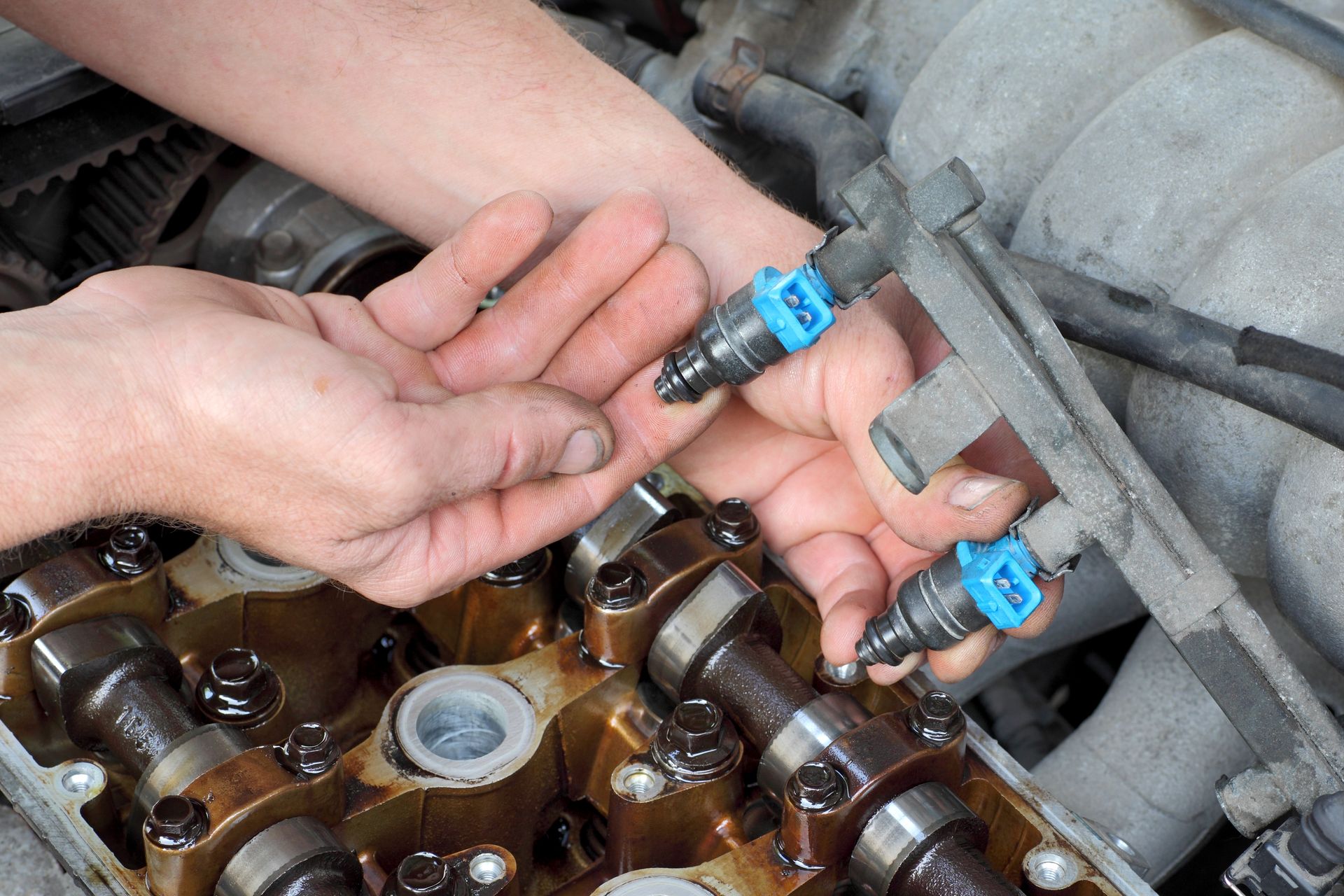
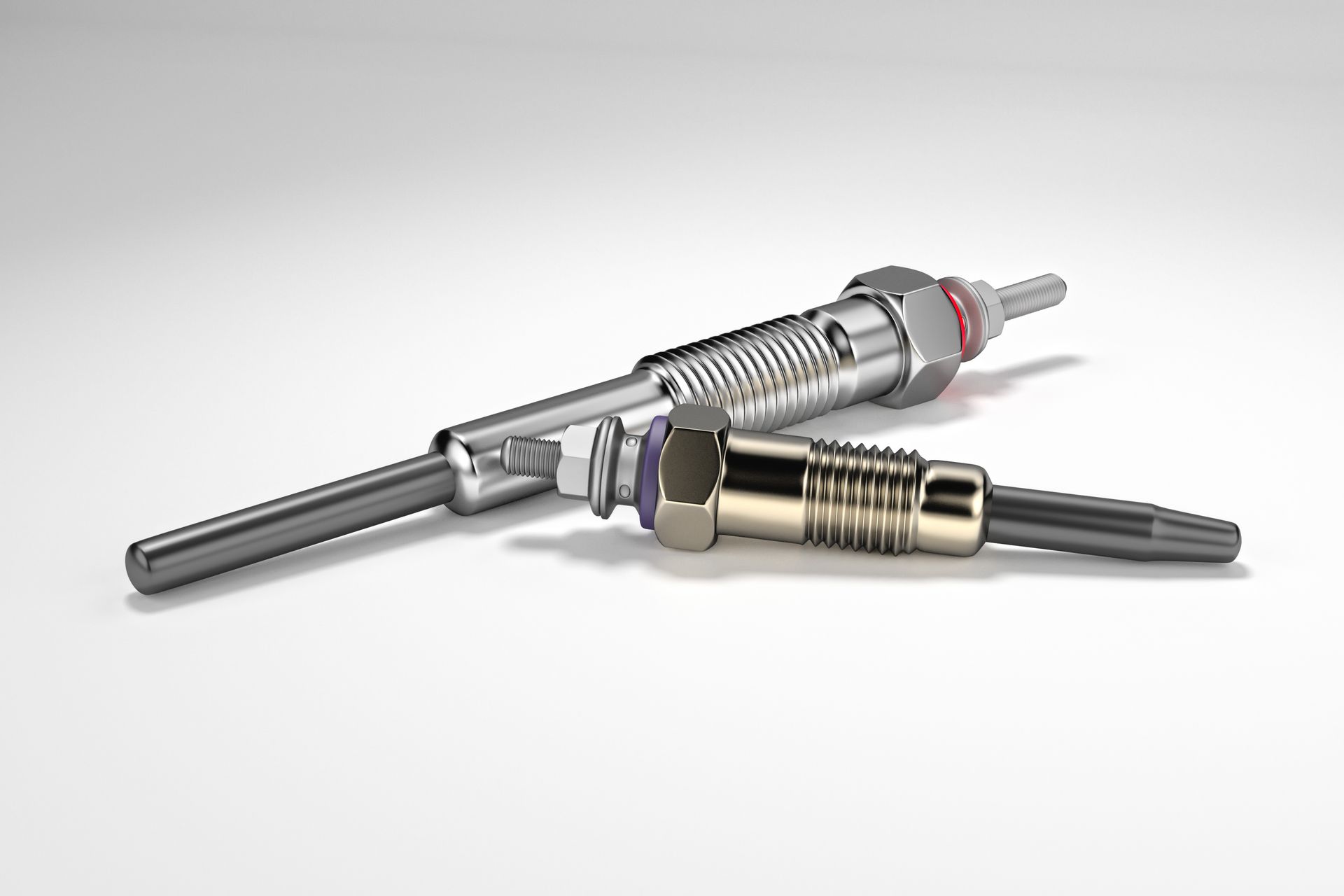
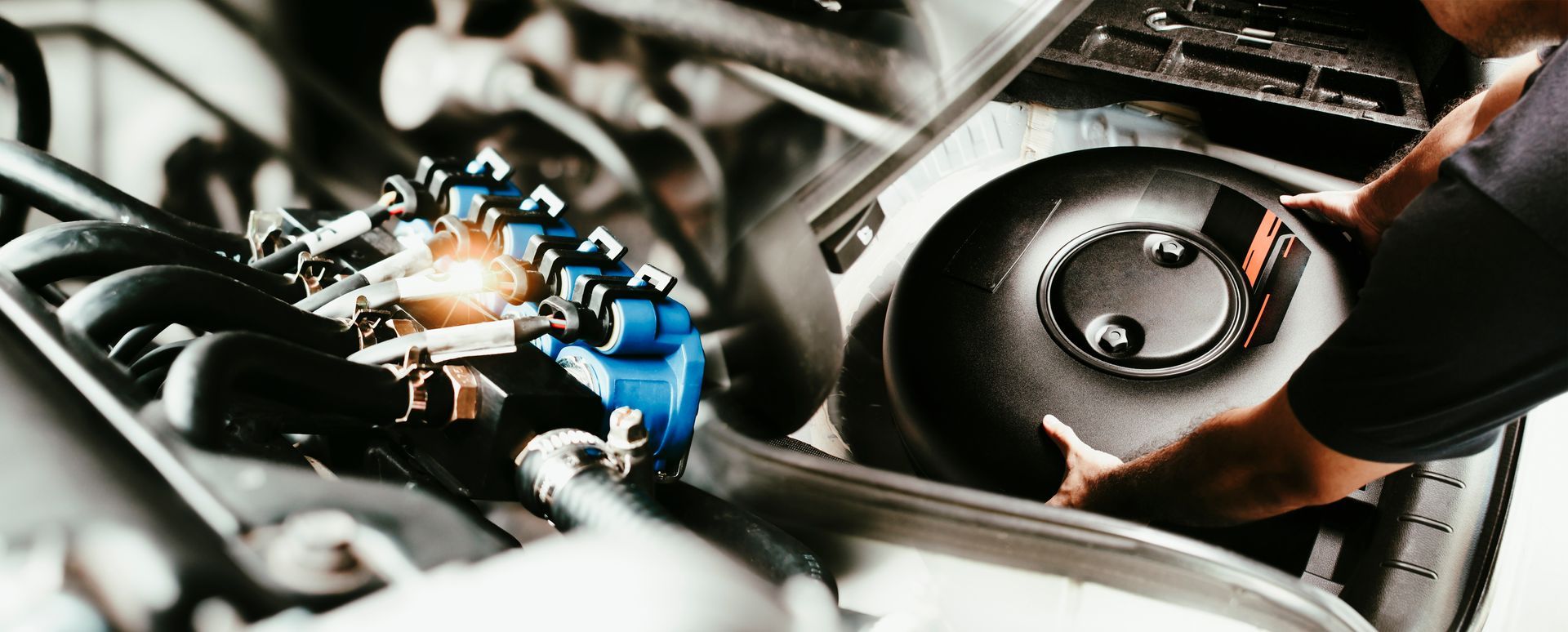
A BMW engine should feel steady at idle and responsive when you accelerate. If it starts hesitating, shaking, taking longer to start, or showing a check engine light, the ignition and fuel systems should be checked. Spark plugs, ignition coils, fuel injectors, air leaks, and carbon buildup can all affect performance.
These problems can be mild at first. The car may still drive well enough for daily use while one cylinder is already misfiring under certain conditions. Waiting too long can stress the catalytic converter and reduce fuel economy. Early testing helps separate a simple service item from a deeper engine performance issue.
Brakes, Tires, And Suspension Tell A Clear Story
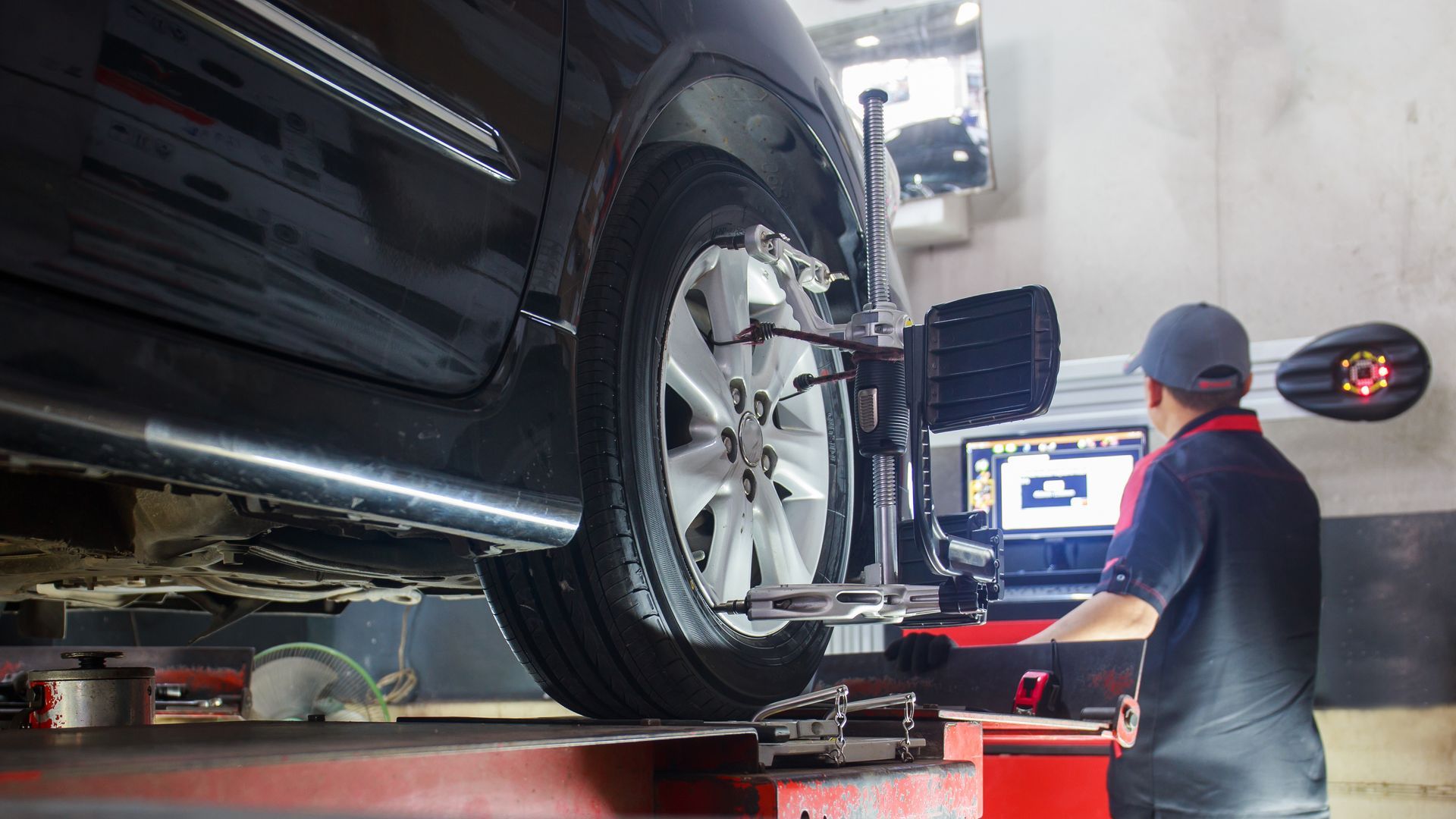
BMWs are built to feel controlled, so changes in the ride or braking should stand out. Clunks over bumps, uneven tire wear, vibration while braking, steering pull, or a loose front-end feel can all point toward worn suspension or steering parts. Brake pads, rotors, calipers, control arm bushings, shocks, struts, and tires all work together.
A tire wear pattern can tell you that alignment has shifted or a suspension part is no longer holding the wheel correctly. A brake vibration can point toward rotor wear, sticking hardware, or front-end movement under load. Checking these systems early helps maintain the driving feel and avoid replacing tires too soon.
BMW Warning Lights Need Proper Diagnostics
A BMW warning light should not be treated like a simple message to clear and forget. These vehicles store useful data about what the system saw, when the fault happened, and whether the problem is active or intermittent. That information helps guide the repair.
The code is only the starting point. A sensor fault can come from wiring, low voltage, a leak, poor fuel control, or a related component. Good BMW diagnostics should include stored codes, live data, battery condition, charging system health, and hands-on testing. That process keeps the repair from turning into expensive parts swapping.
Get BMW Maintenance In Dieppe, NB, With JP's Garage
JP's Garage in Dieppe, NB, can help BMW owners stay ahead of leaks, cooling system trouble, warning lights, brake wear, suspension issues, and engine performance problems.