
Hybrid vehicles still need many of the same services as gasoline-powered cars, but the maintenance approach is different in a few important ways. A hybrid has a gasoline engine, an electric motor, a high-voltage battery, and electronic controls all working together, so technicians have more systems to consider during diagnosis and service.
The good news is that hybrids are not automatically more difficult or expensive to maintain. In some areas, they actually put less wear on traditional components. The key is knowing which parts follow familiar maintenance rules and which ones require hybrid-specific knowledge.
The Gasoline Engine Still Needs Routine Service
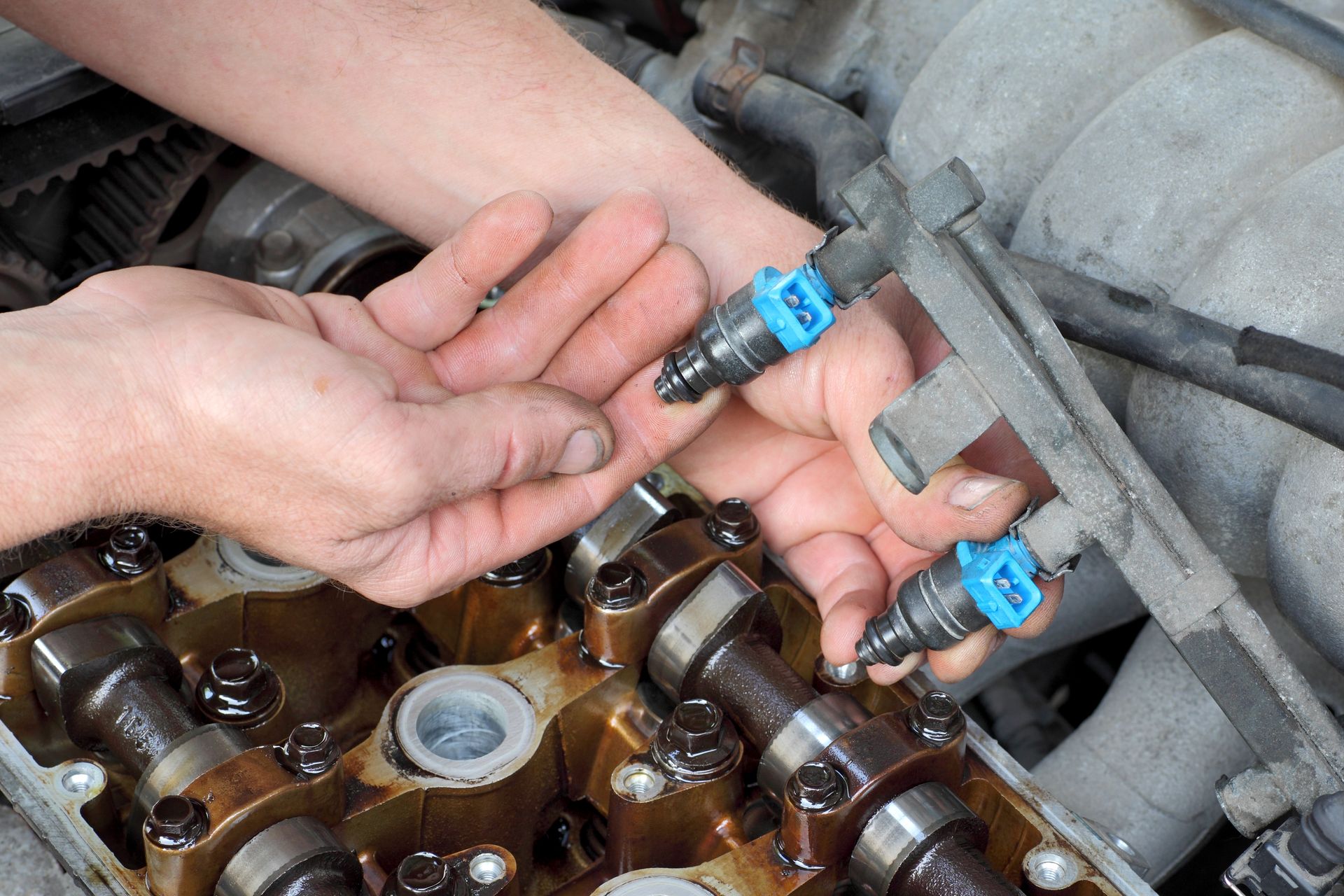
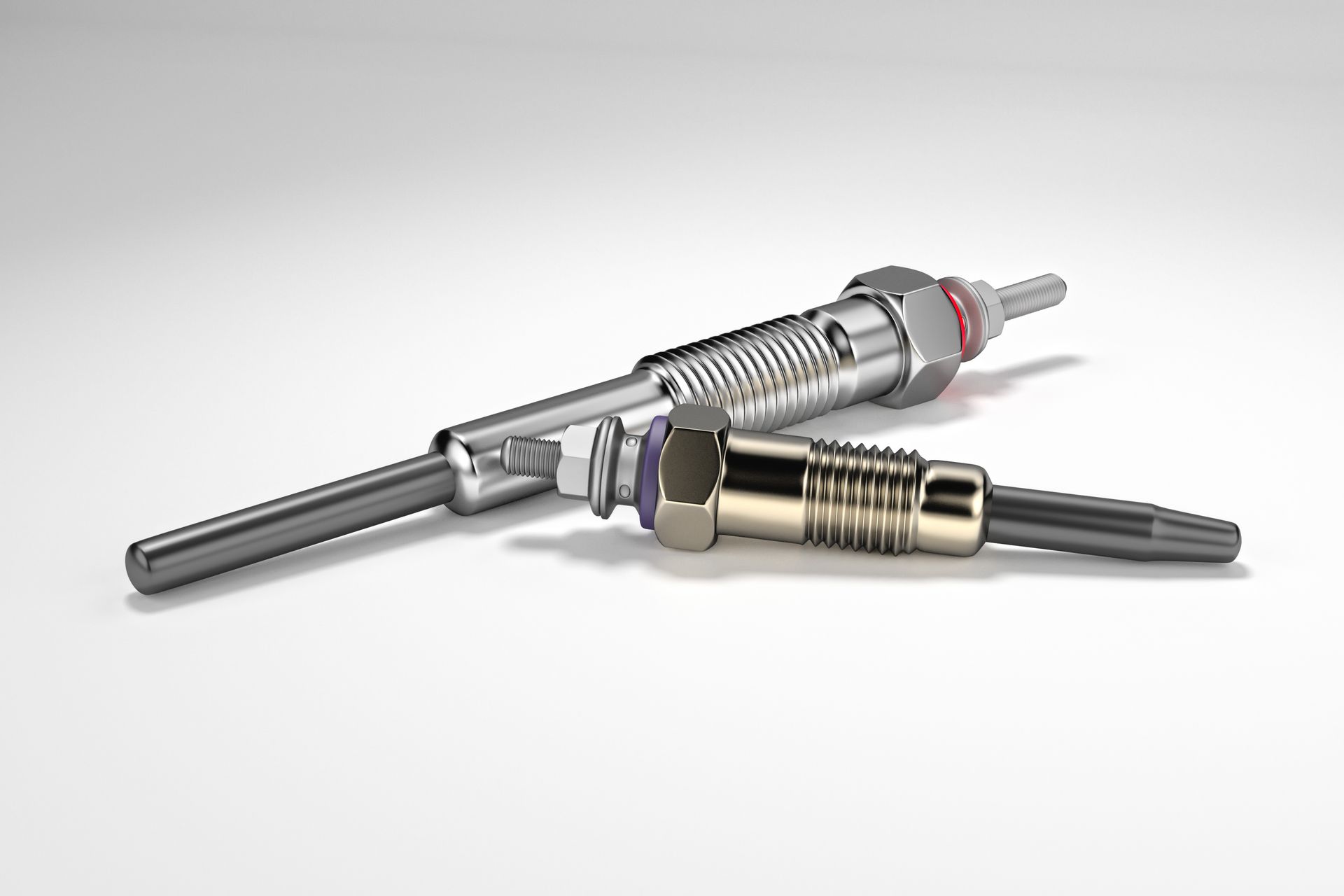
A hybrid engine still uses engine oil, coolant, air filters, spark plugs, and other familiar components. Oil changes remain important even though the engine may shut off frequently while the vehicle is stopped or moving under electric power.
Service intervals should still follow the vehicle manufacturer's requirements rather than being stretched simply because the engine does not run every second of the trip. Short trips can be especially demanding because the engine may go through repeated warm-up cycles without spending much time fully hot. Regular maintenance helps keep oil condition, ignition performance, and engine cooling where they should be.
Regenerative Braking Can Reduce Brake Pad Wear
Hybrids use regenerative braking to slow the vehicle while sending some energy back into the high-voltage battery. Because the electric motor handles part of the braking work, the friction brakes often wear more slowly than they would on a similar conventional vehicle.
That does not mean you can forget the brakes. Caliper slide pins can still stick, rotors can rust, and brake fluid still ages. In areas with moisture, road salt, or long periods between brake services, we pay close attention to whether the friction brakes move freely, even when the pads still have plenty of material left.
The High-Voltage Battery Needs a Different Kind of Attention
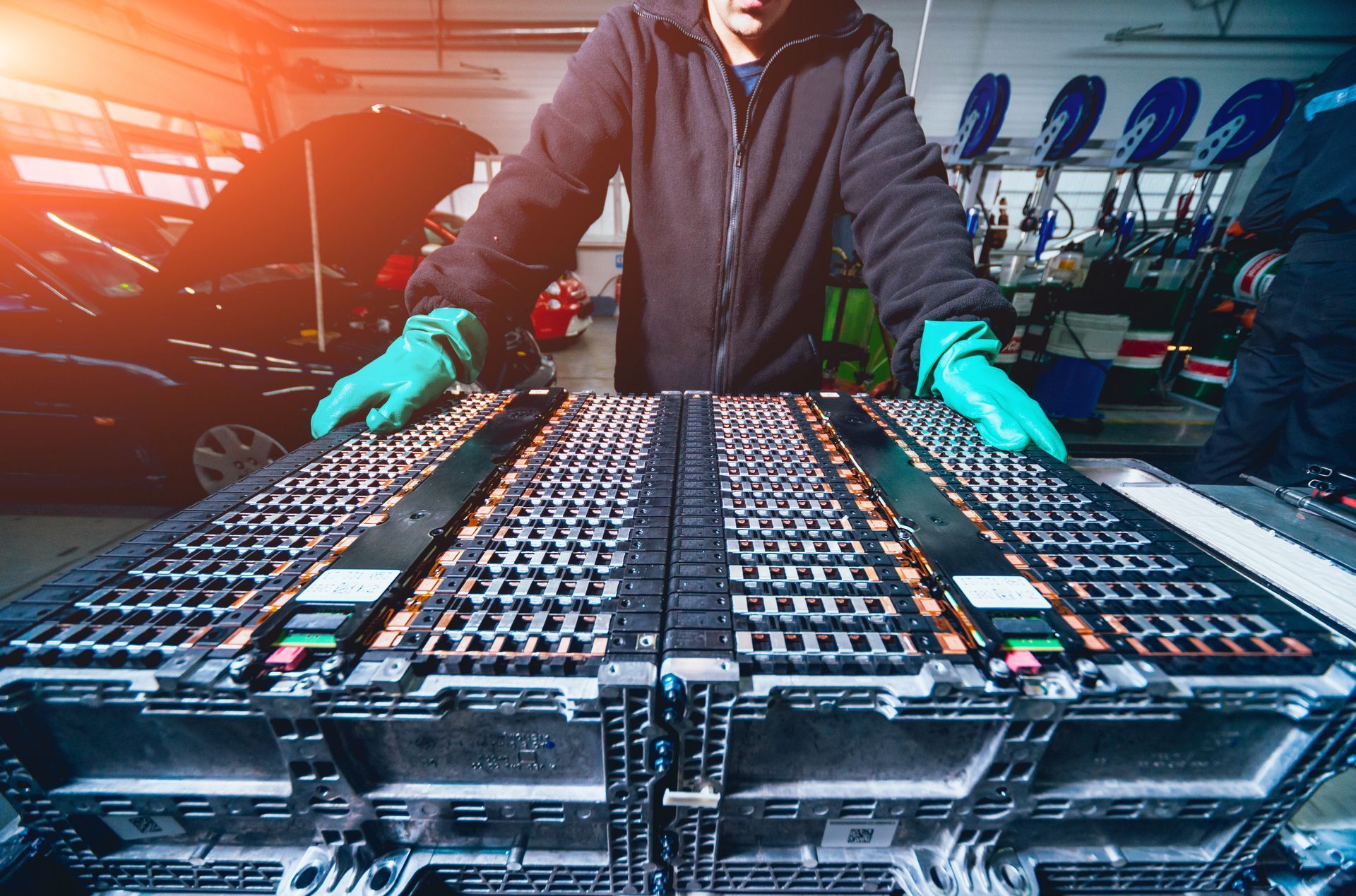
The traction battery is one of the biggest differences between a hybrid and a regular gasoline vehicle. It does not get serviced like a 12-volt battery, and there is usually no routine fluid or part replacement inside the battery pack itself.
What matters is temperature control and system health. Many hybrids use cooling fans and air ducts to keep the battery within a safe temperature range. If those ducts become blocked with dust, pet hair, or debris, battery temperature can rise. During an inspection, we look for warning lights, cooling issues, and stored battery-management faults when the vehicle shows signs of reduced hybrid performance.
Hybrid Cooling Systems Can Be More Complex
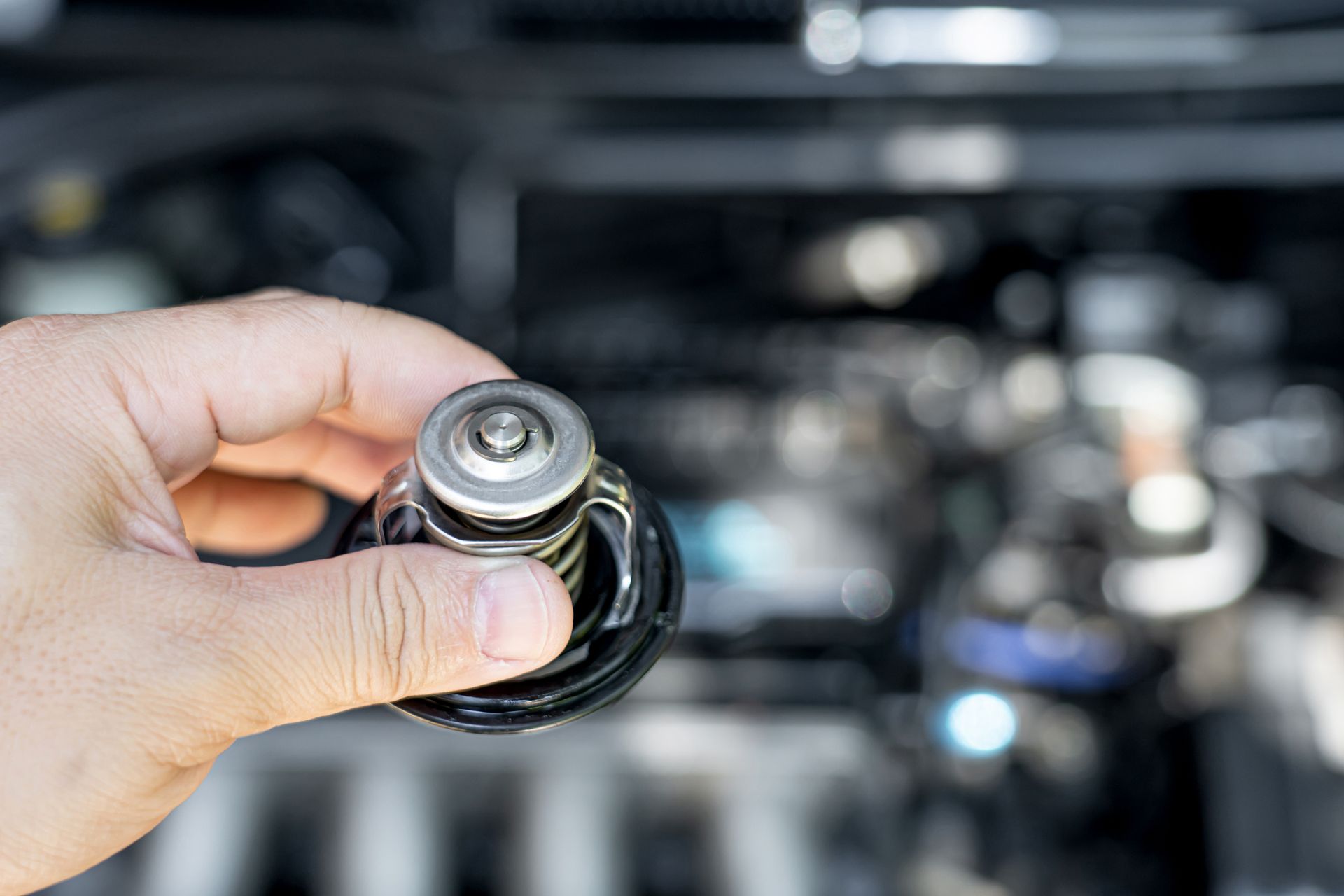
Some hybrids use more than one cooling circuit. The gasoline engine may have its own cooling system while the inverter, electric motor, or other high-voltage components use a separate loop.
That means coolant service has to be done with the correct fluid and the correct procedure for each system. Air trapped in a hybrid cooling circuit can create problems just as it can in a conventional engine cooling system. We also look for electric coolant pumps and additional hoses that a non-hybrid vehicle may not have.
The 12-Volt Battery Is Still Important
Even though a hybrid has a large high-voltage battery, it still relies on a small 12-volt battery to power computers, relays, locks, and the systems that bring the vehicle to life when you press the start button.
A weak 12-volt battery can create confusing symptoms, including warning messages, no-start conditions, or modules that do not wake up correctly. Drivers sometimes assume the large hybrid battery must be failing when the real issue is the smaller conventional battery. Testing both systems correctly is an important part of hybrid diagnosis.
Transmission Service Depends on the Hybrid Design
Hybrid transmissions do not all work the same way. Some use an electronically controlled continuously variable transmission, while others use more conventional automatic or dual-clutch designs integrated with electric motors.
The fluid still matters, but the service procedure and interval depend on the specific drivetrain. We don't treat every hybrid transmission as the same. Using the wrong fluid or following a generic service routine can cause problems, so the vehicle's actual design must guide the maintenance plan.
Hybrid Repairs Require Extra Safety Procedures
High-voltage systems can operate at several hundred volts, which is far beyond the electrical risk found in a conventional gasoline vehicle. Certain repairs require specific shutdown procedures, protective equipment, and verification that the high-voltage system has been safely isolated.
This is especially important for work near orange high-voltage cables, the traction battery, inverter, or electric A/C compressor. Routine tire or oil service may not involve the high-voltage system at all, but technicians still need to understand where those components are located and how the vehicle is designed.
Get Hybrid Vehicle Service In Dieppe, NB, With JP's Garage
If your hybrid is due for maintenance, showing warning lights, or behaving differently than usual, JP's Garage in Dieppe, NB, can check the gasoline engine, braking system, batteries, cooling circuits, and hybrid drivetrain components.