
Cold weather can reduce an electric vehicle's driving range, and drivers in New Brunswick tend to notice it quickly once winter temperatures arrive. The car may show fewer available kilometers after a full charge, use energy faster during short trips, or need more frequent charging than it did in summer.
That does not automatically mean the high-voltage battery is failing. Battery chemistry, cabin heating, road conditions, tire pressure, and how the vehicle manages battery temperature all change when it gets cold. The lower the temperature drops, the more noticeable those effects can become.
Cold Batteries Deliver Energy Less Efficiently
Lithium-ion batteries work best within a certain temperature range. When the battery gets very cold, the chemical reactions inside it slow down, and more energy is required to move electricity through the cells.
The vehicle's battery management system protects the battery by controlling how quickly it charges and how much power it can deliver while cold. You may notice reduced regenerative braking or limited performance for the first part of a winter drive. As the battery warms, some of those restrictions can ease.
Cabin Heat Uses Energy From the Battery
Gasoline vehicles get much of their cabin heat from waste engine heat. An EV does not have that same source, so heating the passenger compartment requires electrical energy from the high-voltage battery.
On a very cold morning, warming the cabin, seats, windshield, and battery at the same time can use a noticeable amount of energy before you have traveled very far. Vehicles equipped with heat pumps can be more efficient in many conditions, but even they use additional power when temperatures become severe. Short winter trips can make this energy use look especially large because the vehicle keeps reheating itself from cold.
Preconditioning Can Help Preserve Driving Range
Many EVs allow you to warm the battery and cabin before leaving. If the vehicle is still plugged into a charger, much of that energy can come from the electrical supply instead of from stored battery power.
Preconditioning also helps bring the battery closer to a temperature where it can operate and accept regenerative braking more efficiently. For drivers with a predictable morning schedule, setting a departure time can make winter operation easier. Starting with a warm cabin also means you can rely more on seat heaters and lower HVAC settings once you are moving.
Winter Roads Increase Energy Use Too
Cold battery chemistry is only part of the range loss. Snow, slush, wet pavement, and winter tires all create more rolling resistance than a dry summer road.
Tire pressure also falls as temperature drops. An underinflated tire creates additional drag, forcing the electric motors to use more energy. At our shop, we check tire pressure and tread condition because what looks like a battery-range problem can be made noticeably worse by tires that are several PSI below specification.
Fast Charging Can Be Slower in Very Cold Weather
A cold battery cannot always accept high charging power immediately. The vehicle may reduce charging speed until the battery reaches a safer temperature.
Some EVs automatically precondition the battery when you enter a fast charger as the navigation destination. That warms the pack before arrival so it can accept more power sooner. If your EV charges much more slowly in winter but returns to normal after driving or preconditioning, temperature is likely playing a major role rather than a charger or battery fault.
Not Every Range Drop Is Normal Winter Behavior
Some reduction is expected in cold weather, but a sudden or extreme change deserves attention. If range drops much more than it did during previous winters, the vehicle repeatedly shows battery warnings, or charging behavior changes unexpectedly, there may be another problem.
During an inspection, we review battery health data, charging history, tire condition, HVAC performance, and any stored fault codes. A weak 12-volt battery can also create strange electrical symptoms in an EV even though it is separate from the large traction battery. Diagnosing the whole vehicle helps keep a normal seasonal change from being mistaken for an actual fault.
Driving Style Has a Bigger Effect in Winter
Hard acceleration, high highway speeds, and repeated use of maximum cabin heat all increase energy consumption. In winter, those habits are layered on top of the losses already caused by cold temperatures.
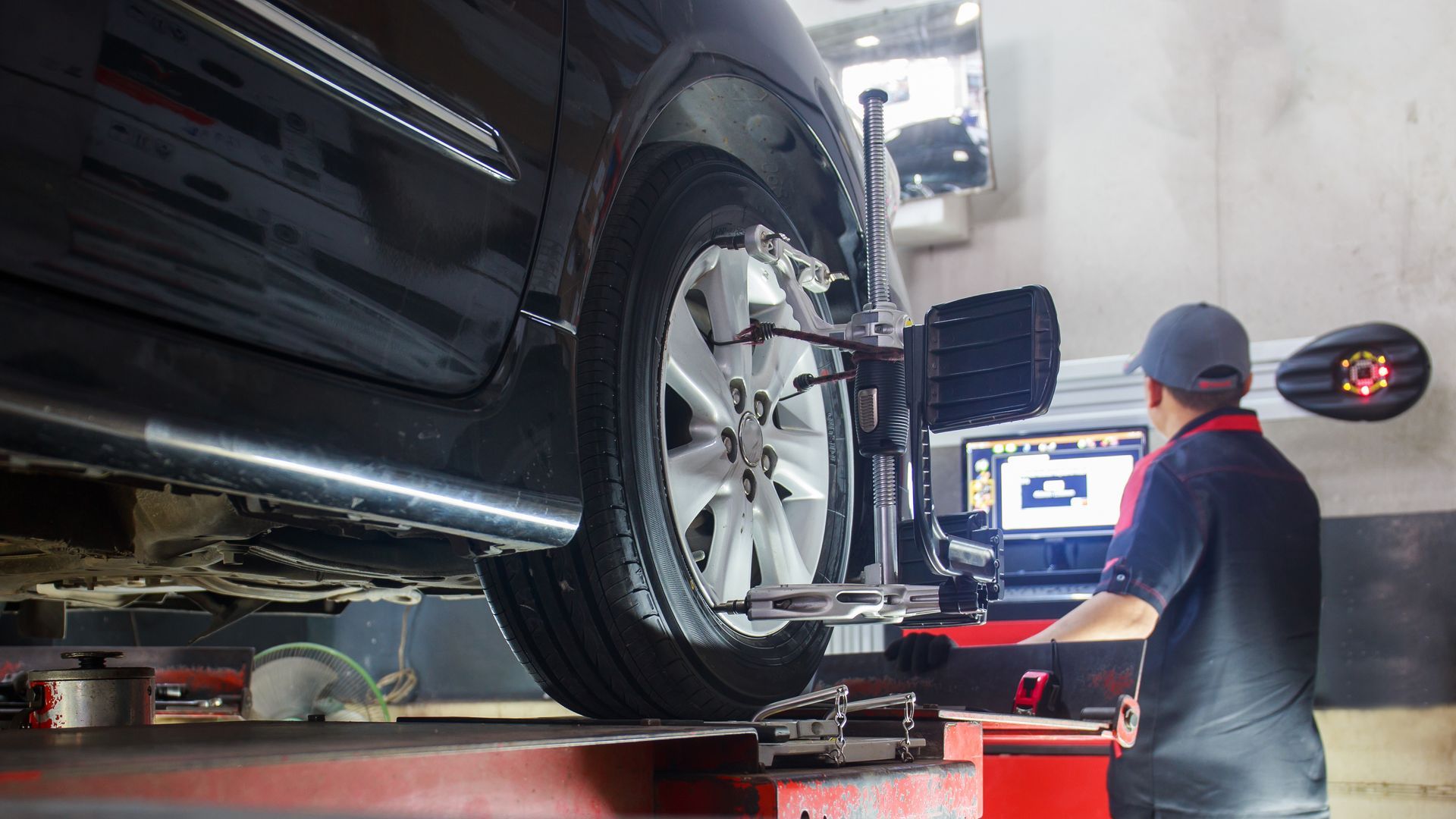
Gentler acceleration and slightly lower highway speeds can extend range without making the vehicle difficult to drive. Using heated seats and steering wheels when available can also reduce the amount of cabin air that needs to be heated. Regular maintenance still matters because correct tire pressure, healthy brakes, and proper wheel alignment all reduce unnecessary drag.
Plan Around Winter Range Instead of Summer Range
If your EV regularly shows less range in January than in July, that is not unusual. The important thing is understanding what your vehicle normally does in cold weather and planning charging stops with a little more margin.
Do not rely on the summer maximum when deciding whether a winter trip is comfortable. Watch the actual energy consumption and remaining range as conditions change. Drivers who know their normal winter pattern are much more likely to notice when a new battery, charging, or vehicle problem begins.
Get Electric Vehicle Service In Dieppe, NB, With JP's Garage
If your EV is losing more range than expected, charging unusually slowly, or showing battery or electrical warnings during cold weather, JP's Garage in Dieppe, NB, can check the vehicle and help determine whether the change is normal winter behavior or a problem that needs repair.