Most AWD owners know to rotate tires and keep up with engine oil. The fluid inside the transfer case or AWD coupling is easier to forget, partly because different vehicles use very different drivetrains. Some have a conventional transfer case, while others use a compact power transfer unit or clutch coupling.
The maintenance schedule needs to match the system under your vehicle.
Which AWD Vehicles Have a Transfer Case or Drive Coupling?
A traditional transfer case sends engine power toward front and rear driveshafts in many four-wheel-drive trucks and SUVs. Some all-wheel-drive vehicles use a compact power transfer unit, while others incorporate portions of the AWD drive system into the transmission or rear drive assembly. Different designs have different lubrication requirements.
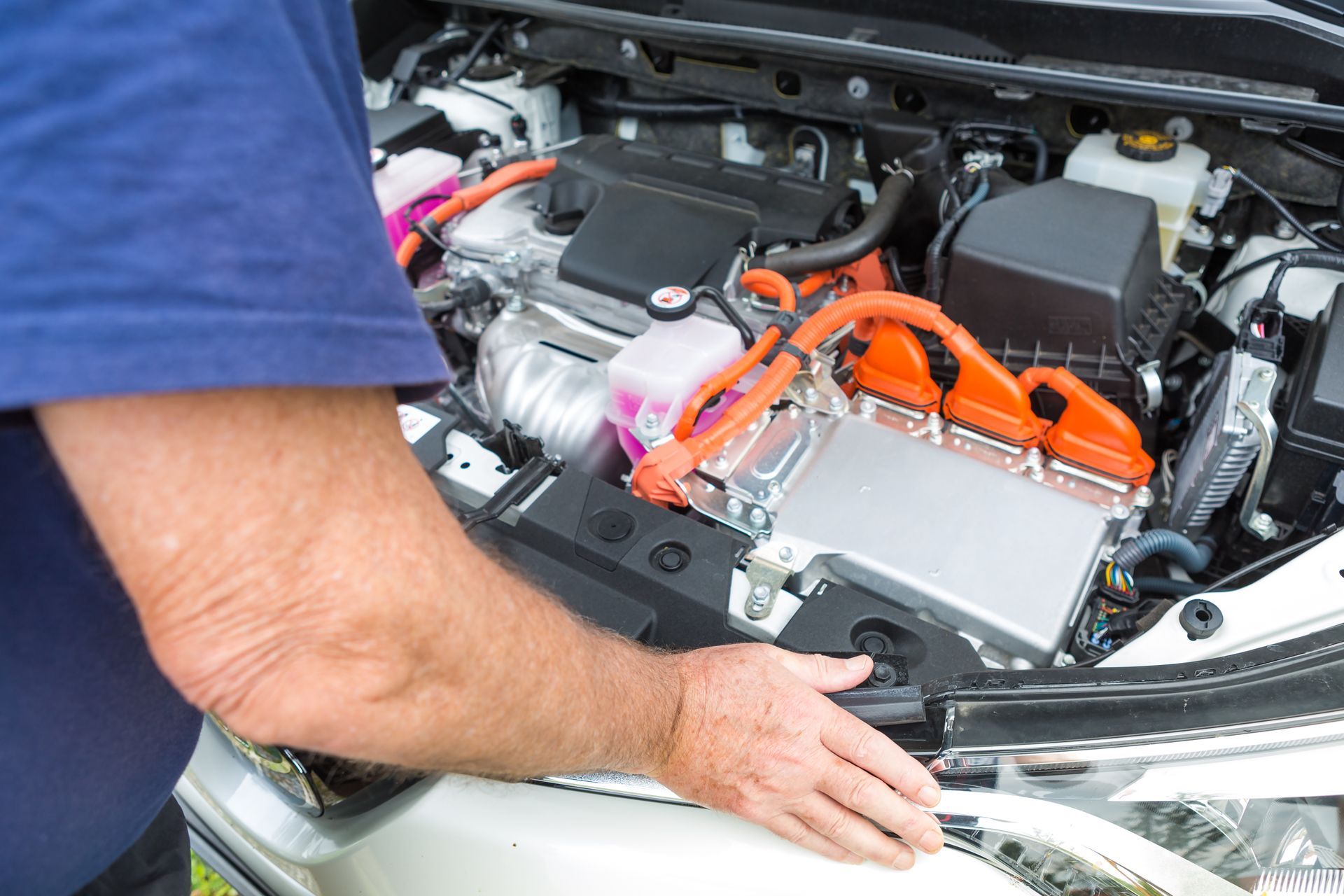
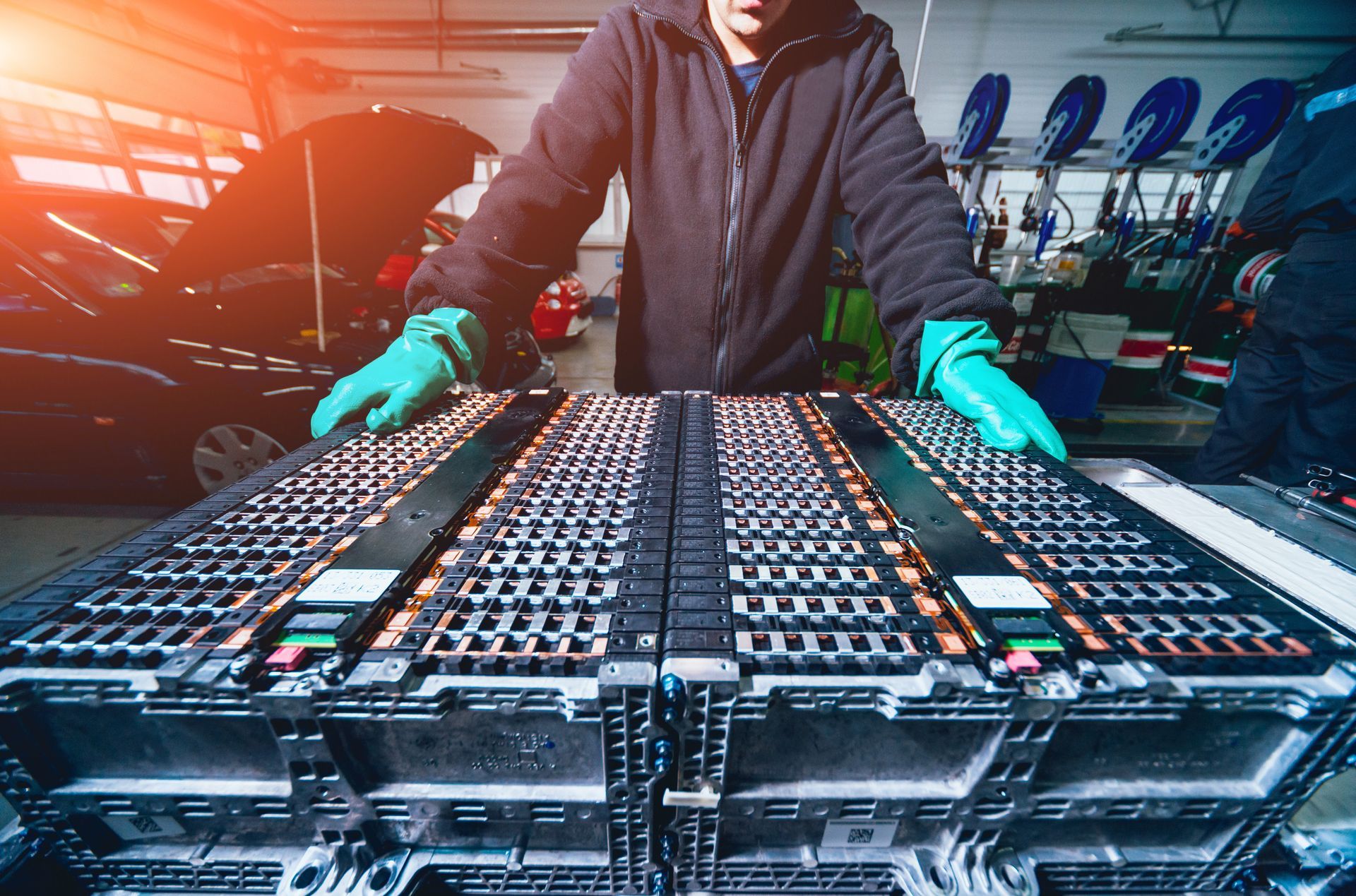
That's why it's risky to order a generic transfer case service without confirming the vehicle's layout. One model has a dedicated fluid reservoir with its own drain and fill points. Another may share lubricant with a different component, and some electric or hybrid AWD systems drive the axles separately without a conventional mechanical connection. We check the actual equipment and manufacturer procedure before deciding what service applies.
Why Transfer Case Fluid Needs Regular Service
Inside a transfer case or related drive unit are bearings, shafts, gears, and, on certain designs, clutches that handle torque distribution. The right lubricant protects those parts from metal-to-metal contact, carries heat away, and supports the friction characteristics the design requires.
It has a tougher job than simply sitting in a sealed housing. As you accelerate, turn, and drive through slippery conditions, torque changes through the drivetrain. Heat, shearing forces, moisture intrusion, and everyday wear gradually degrade the lubricant. A unit with low lubricant from a leaking seal may wear much faster than one with old but full fluid. Both conditions deserve attention during routine maintenance.
AWD Transfer Case Fluid Change Intervals
There isn't one interval that fits every AWD vehicle. Some manufacturers publish mileage or kilometer-based schedules, with shorter intervals for towing, heavy loads, or severe operating conditions. Others specify inspections rather than a fixed replacement schedule, and some describe certain units as filled for life under normal use.
We start with the owner's manual and service information for the exact model and drivetrain. If you recently purchased a high-mileage used vehicle without maintenance records, the history deserves closer attention. It's better to confirm which fluids are required than assume every axle and transfer unit uses the same product at the same interval. Using the wrong fluid creates shift, clutch, or lubrication problems even when the level is correct.
Signs the Transfer Case or AWD Drive Unit Needs Inspection
A transfer case or related drive assembly sometimes develops noise, vibration, or binding as wear progresses. You hear a whine that rises with road speed, feel shudder during tight turns, or notice a clunk as power reaches the wheels. On electronically controlled systems, an AWD warning light or stored fault code may appear.
These symptoms aren't exclusive to transfer cases. Mismatched tires, worn CV joints, wheel bearings, driveshafts, and differential problems feel remarkably similar. If the vehicle hops or fights itself in a tight parking turn, we pay particular attention to tire rolling circumference and AWD clutch operation. The fluid deserves inspection, but changing it blindly isn't a reliable way to solve a mechanical noise.
Why Matching Tires Protects the AWD Drivetrain
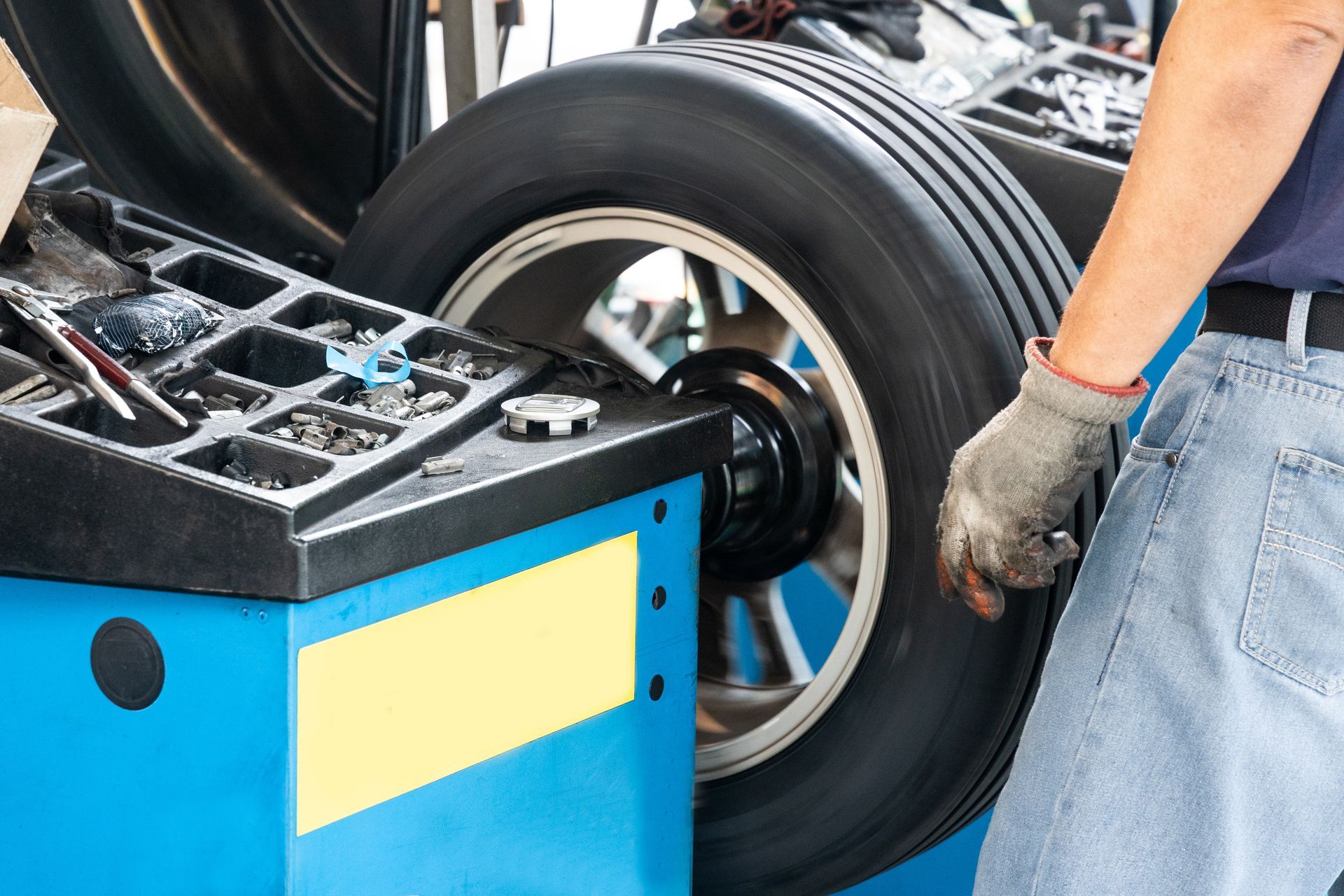
AWD components have to manage differences in wheel speed. If the tires aren't the correct size or have substantially different rolling circumferences, some systems spend extra time compensating for that mismatch. Installing one new tire alongside three heavily worn tires creates more driveline stress on certain vehicles.
We check tire sizes, pressure, tread depth, and wear pattern before chasing expensive drivetrain components. Tire rotation, according to the manufacturer's guidance, often helps maintain even wear, and proper wheel alignment protects tires from developing large differences. Those services don't replace transfer case fluid maintenance, but they protect the equipment that fluid is trying to lubricate.
When checking an AWD vehicle, we look at more than the fluid level:
- Correct tire sizes on both axles
- Tread depth differences between the tires
- Leaks around the drive-unit seals
- Fluid specifications for the exact AWD system
- Past transfer case or coupling service records
- These checks help protect the fluid and the components it lubricates.
What Happens During AWD Transfer Case Fluid Service
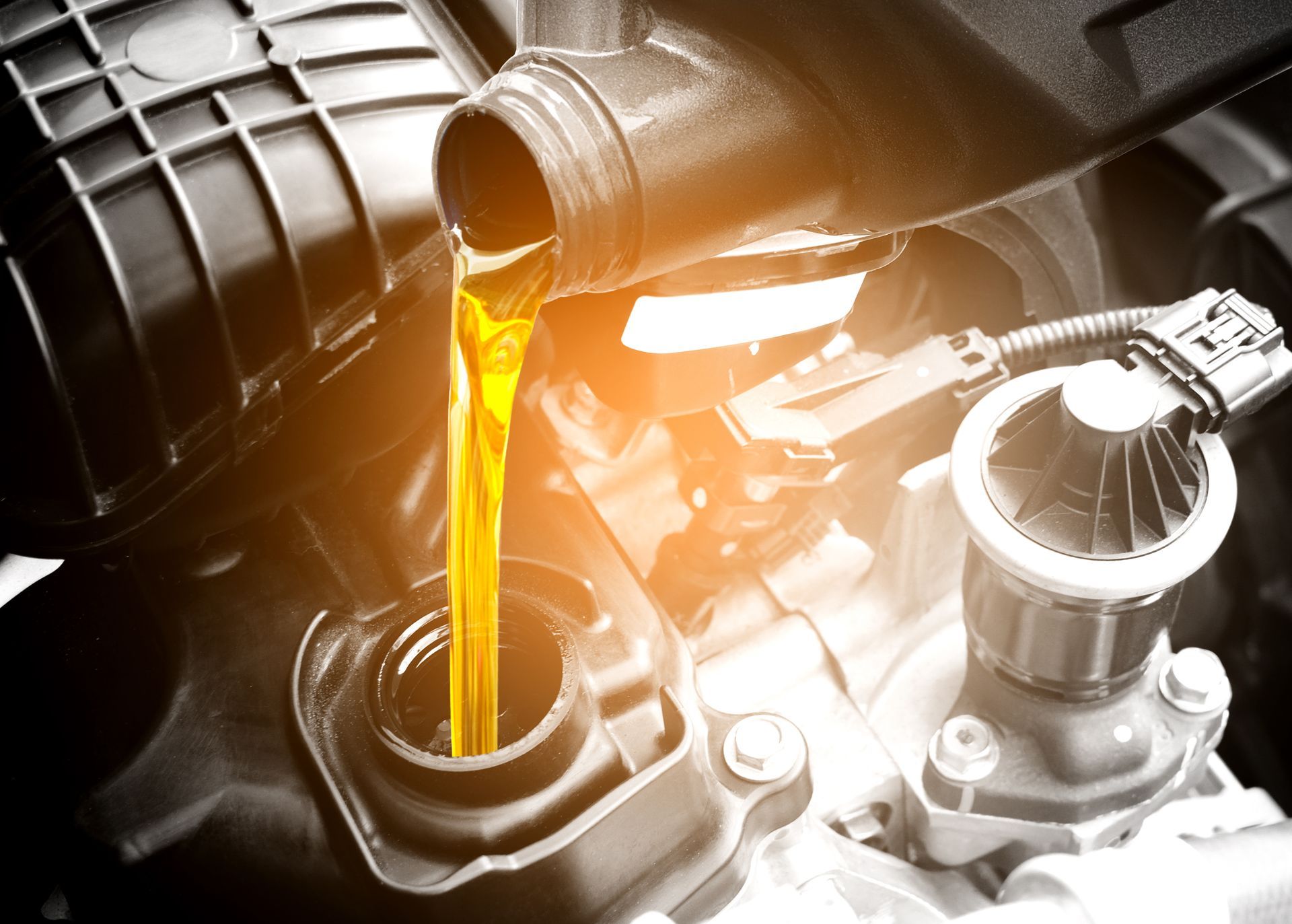
Once the correct service is confirmed, the fluid must be drained and refilled according to the manufacturer's instructions. Some units have special fill-temperature requirements, level-setting steps, or fluid specifications. On a few AWD systems, additional procedures or software adaptations are part of certain driveline services.
We look for leaking seals, damaged housings, unusual metal in the drained lubricant, and signs of overheating. A magnetic plug collects a small amount of fine wear material over time, but heavy debris deserves further investigation. The amount and condition of drained fluid sometimes tell us whether the unit has been running low. Simply adding fresh lubricant won't repair a bearing that has already been damaged.
When AWD Fluid Service Will Not Fix Drivetrain Noise
If the vehicle operates normally and is due for service, changing the correct fluid is preventive maintenance. If it has already developed grinding, binding, or persistent shudder, we need to find the cause first. A fluid change often helps when the manufacturer identifies fluid condition as a contributor, but it isn't a cure for damaged gears or failed bearings.
Explain when you hear the noise and whether the vehicle behaves differently during tight turns, acceleration, or winter driving. Those patterns help us separate a lubrication concern from tires, joints, and other drivetrain parts. Catching a leak or contaminated fluid before serious wear develops is much better than discovering the problem after the assembly begins to fail.
Get AWD Transfer Case Service in Dieppe, NB, With JP's Garage
JP's Garage in Dieppe, NB, checks the AWD drive-unit design, fluid requirements, leaks, and tire condition before carrying out transfer case service.