
You park, turn the key off, and start walking away. Then you hear it, the cooling fan is still running like the car is not quite done with the day. It can be especially surprising when the engine feels normal on the drive home. Most drivers end up standing there for a moment, listening, wondering whether to restart the car.
Sometimes that sound is completely normal, and sometimes it is a clue.
Why The Fan Runs After You Shut Off
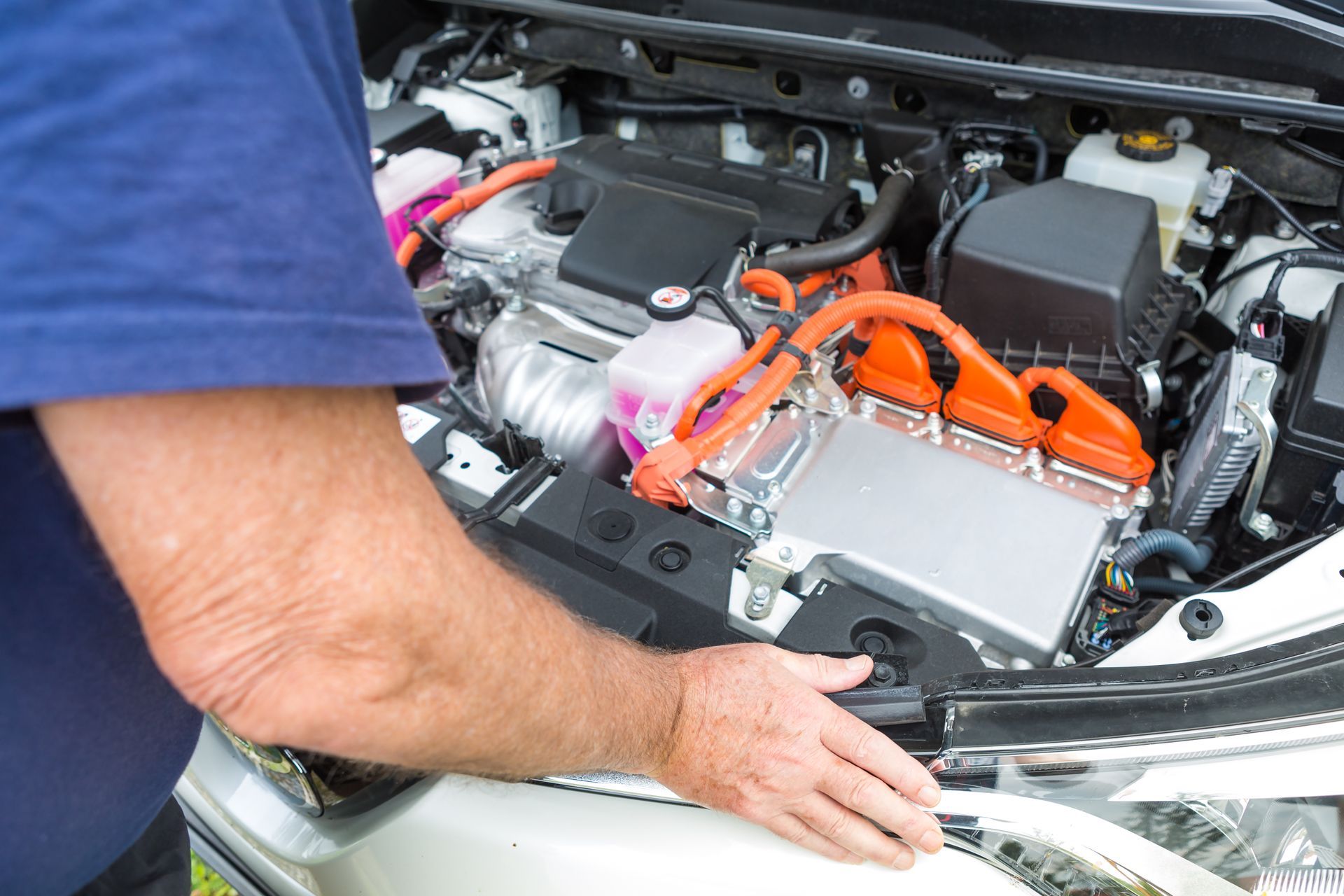
Many modern cars are designed to keep the fan running after shutdown if temperatures are still high. Heat does not disappear the instant the engine stops, and under-hood temps can actually rise for a few minutes because coolant is not circulating the same way. The fan is there to pull air through the radiator and across hot components until things drop into a safer range. If it runs for a short time and shuts off on its own, that is often the system doing its job.
Where drivers get thrown off is that older vehicles rarely did this. Now, the computer is constantly monitoring temperature sensors and deciding whether extra cooling is needed even with the ignition off. You might notice it more after highway driving, towing, or sitting in traffic, because those situations leave more heat behind. The fan staying on is the car reacting to that leftover heat.
Engine Cooling On Hot Days
Hot weather and stop-and-go driving are the most common triggers. When you roll into a parking spot after a drive, the coolant temp and under-hood temp can still be elevated. Some vehicles will run the fan for 30 seconds to a few minutes to stabilize things, especially if you shut it off right after a hard drive. That can feel odd, but it is frequently expected behavior.
It can also happen when the engine bay is heat-soaked. Even if the temperature gauge looked normal while you were moving, airflow through the grille was helping. Once you stop and shut down, that airflow is gone, and the temperature around the radiator and engine climbs for a short stretch. The fan running after parking is a way to replace that lost airflow.
High Pressure A/C And Engine Heat
The air conditioning system can play a big role here. If you were running the A/C, the condenser in front of the radiator can stay hot, and the system may keep the fan going to control pressure and temperature. Some cars will command the fan on high if A/C pressures were elevated right before you parked, even if the engine coolant temperature is not extreme. That is why you may notice the fan behavior more in summer or during humid weather.
Another common pattern is shutting the car off right after a long A/C-heavy drive. The condenser is still shedding heat, and that heat sits in front of the radiator. The fan helps move it out so coolant temps do not spike during the heat soak period. If the fan runs briefly and then stops, it is often the A/C and cooling system finishing their cooldown.
Sensor Readings And Control Module Logic
Cooling fans are controlled by sensor inputs, not by one simple switch. The system looks at coolant temperature, intake air temperature, ambient temperature, and sometimes even under-hood temperature estimates. If a sensor reads slightly high, the module may keep the fan on longer than you expect. That does not always mean something is failing, but it does mean the decision is being driven by data.
This is also where an inconsistent sensor can create confusing behavior. A temperature sensor that drifts when hot can tell the module the engine is warmer than it really is, so the fan runs longer. In some cases, we have seen the fan come on more often after parking, even though the car is not overheating on the road. The right test is to compare sensor readings to reality, not to guess based on sound alone.
When A Relay Or Fan Module Sticks
If the fan runs for a very long time, or seems like it would run forever until the battery dies, that is a different category. A sticking relay or a failing fan control module can keep power flowing when it should shut off. This can look like the car is asking for cooling, but the truth is that the fan is being held on electrically. It is more common on vehicles that use separate fan modules, but relays can do it too.
A clue is when the fan runs at odd times, like immediately after a cold start, or it runs on high no matter what. Another clue is a fan that keeps running long after the engine has cooled down. If you suspect this, do not keep letting it run for extended periods, because it can drain the battery. This is a situation where checking power and control signals quickly can save you from a no-start later.
Low Coolant Or Air Pockets In The System
Low coolant can trigger longer fan run time because the system is struggling to move heat efficiently. Even a small drop can change how quickly the radiator sheds heat after shutdown. Air pockets can do something similar by reducing coolant contact in certain areas, which leads to odd sensor readings and uneven cooling. You might not see a temperature gauge spike while driving, but the system may still be working harder than it should.
The frustrating part is that low coolant does not always leave a puddle. Slow seepage can evaporate on hot surfaces, or it can be hidden in places that do not drip to the ground. If the fan behavior is new and you have also noticed the heater output changing or a sweet smell under the hood, coolant level becomes a priority check. Catching a small leak early is far easier than dealing with a full cooling system failure.
Quick Checks Before You Worry
First, pay attention to the pattern and timing. Does the fan run for one to three minutes and stop, or does it run ten minutes later, like it forgot to shut off? Check coolant level only when the engine is fully cool, and look for obvious leaks or dried residue around hoses and the radiator area. If you run the A/C hard right before parking, consider whether the behavior lines up with that usage.
If the fan is running longer than normal, schedule an inspection so we can confirm whether the system is responding to heat or being forced on by a relay, module, or sensor input. Keeping up with regular maintenance helps here because fresh coolant and a healthy pressure cap support stable temperature control. Also, if you have had recent cooling system work, an air pocket is a real possibility, and it is usually fixable once it is identified. The goal is to prevent the fan from becoming a battery problem or a warning you missed.
Get Cooling System Help In Dieppe, NB With JP's Garage
If your cooling fan keeps running after you park, JP's Garage can verify whether it is normal after-run cooling or a sign of a relay, sensor, or coolant issue that needs attention.
Swing by when it's convenient, and we'll help you park without that lingering question in your head.