A gasoline smell from the exhaust on cold mornings is one of those things that makes you pause. Some days it’s faint and gone once the engine warms up. Other days it lingers long enough that you start wondering if the car is wasting fuel, running too rich, or hiding a bigger problem.
The tricky part is that cold starts do change how an engine runs, so a little extra odor can be normal. The goal is figuring out when it’s just cold start behavior, and when it’s a sign that something needs attention.
Why Fuel Smell Shows Up More On Cold Mornings
Engines need more fuel when they’re cold. Fuel doesn’t atomize as well, the cylinders are cold, and the computer adds extra fuel to keep the engine stable until it reaches operating temperature. That richer mixture can create a stronger exhaust smell, especially if you start the vehicle and let it idle for a bit.
Cold air also makes exhaust vapors more noticeable. The exhaust can hang low and drift around the back of the car instead of dispersing quickly, so you notice it more, even if the engine is running normally.
Normal Cold Start Enrichment vs. a Real Issue
A normal cold start smell usually fades as the engine warms up. Idle smooths out, the exhaust odor becomes less noticeable, and you’re not seeing any warning lights. You might still smell a bit more fuel than you would in summer, but it does not hit you as harsh or raw.
A real issue tends to come with other hints. The smell sticks around after the engine is warm, fuel economy drops, the idle stays rough, or you notice hesitation when you pull away. If the check engine light comes on, that’s another clue that the system is seeing something outside its normal range.
Quick Clues That Suggest The Engine Is Running Rich
You don’t need special tools to notice patterns. First, pay attention to how long the smell lasts. If it’s still strong after ten to fifteen minutes of driving, that’s not typical cold start behavior. Second, notice how the tailpipe area looks. Black soot on the bumper or around the exhaust tip can point toward an overly rich mixture.
Another clue is the way the engine feels. A rich-running engine may stumble, load up at idle, or smell stronger when you blip the throttle. If you’ve been stopping at the pump more often than usual, that matters too. We’ve seen plenty of cases where the driver only came in for the smell, and the bigger story was fuel consumption creeping up for weeks.
Common Causes That Create A Strong Fuel Odor
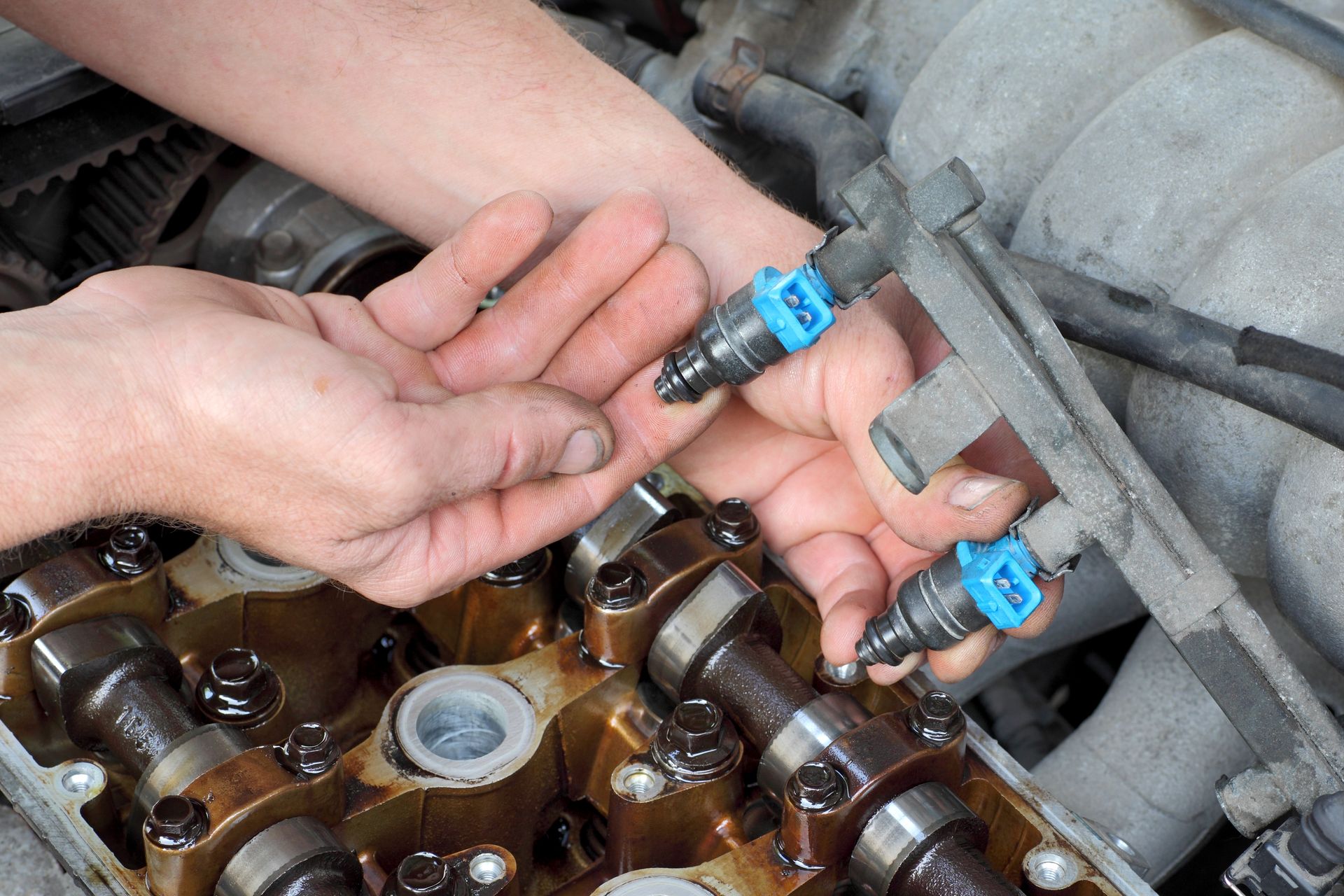
A few problems keep popping up. One is an injector that drips when it should be sealed. A leaking injector can leave extra fuel in a cylinder overnight, which makes the first start smell strong and can cause a brief rough idle.
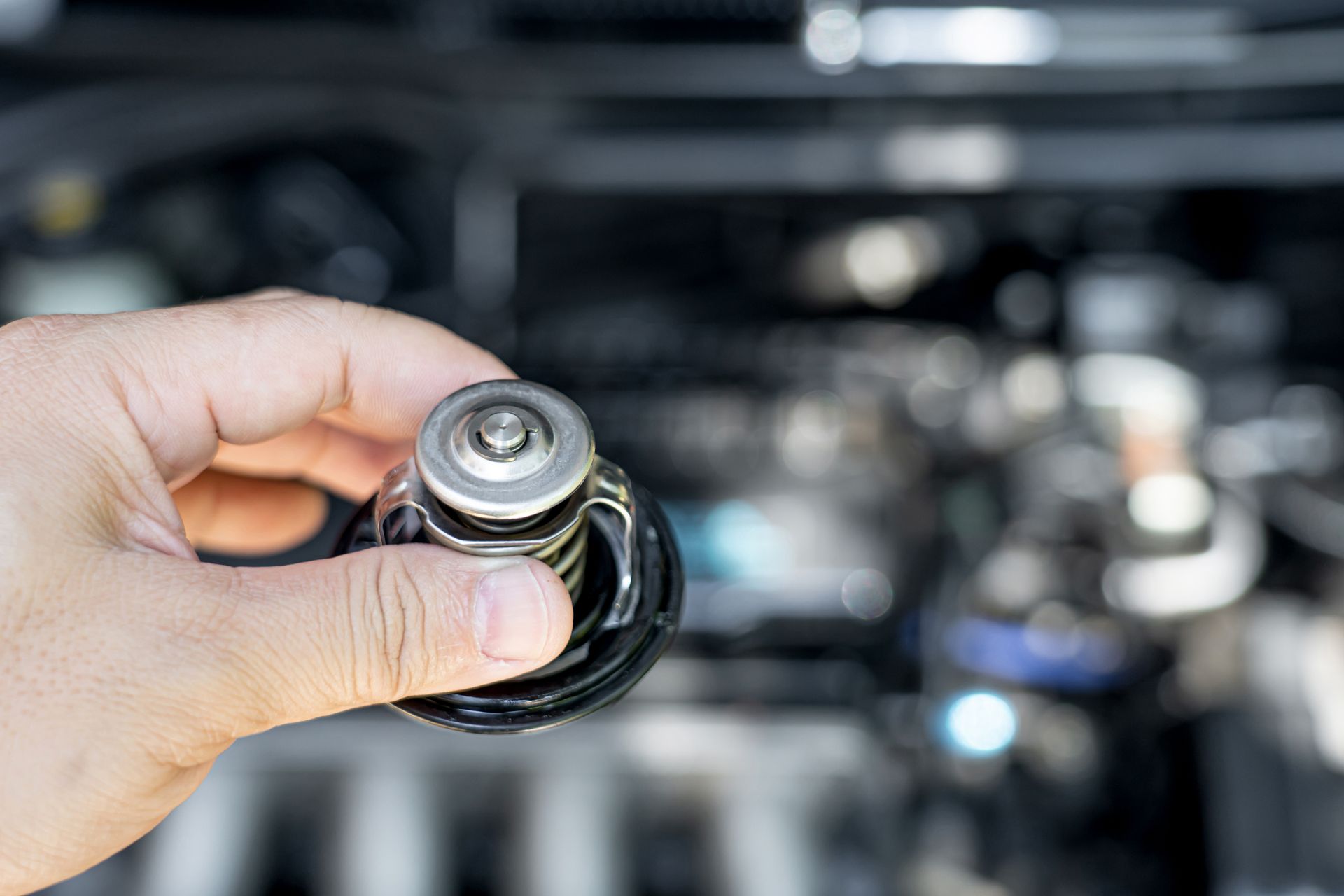
Another common cause is EVAP system trouble, especially a purge valve that is stuck partially open. That can feed fuel vapors into the intake at the wrong time, making the mixture richer than intended. Sensor issues can also do it, like a coolant temperature sensor reporting colder than reality, causing the engine to stay in warm-up mode too long.
Misfires can play a role as well. If combustion is incomplete, fuel can pass into the exhaust and create a sharper odor. That’s one reason we don’t treat a fuel smell as only an emissions concern. Sometimes it’s pointing to ignition or fueling problems that affect how the engine runs.
Owner Habits That Can Make The Smell Worse
Remote starting and long warm-ups make the smell more noticeable because the car sits in one spot while it’s running rich. Short trips can add to it too, since the engine never fully reaches operating temperature, and the exhaust system never gets hot enough to burn off normal moisture and residues.
Topping off the fuel tank past the first click can also cause EVAP issues over time. It can push liquid fuel into areas designed for vapor, and that can lead to strong odors and EVAP faults later. If you’ve had recent work done, it’s also worth considering whether the wrong part was replaced based on a guess, because rich codes and fuel smell symptoms can overlap with a lot of different causes.
When A Fuel Smell Means Reduce Driving
If the smell is mild and goes away once warm, you can usually keep driving and simply keep an eye on it. If the smell is strong enough to make your eyes water, if the engine is running rough, or if the check engine light is flashing, move it up the priority list and limit driving.
Also, if you ever smell fuel around the front of the car or notice wet spots under the vehicle, that’s different from exhaust odor. That can point to an external fuel leak, and that’s not something to put off. We always tell drivers to treat raw fuel leaks as urgent because the risk and the mess both escalate quickly.
What We Check To Find The Real Cause
To sort this out, we look at the conditions when the smell happens and verify what the engine is doing during warm-up. We check stored fault information if a light is on, review sensor readings that affect fueling, and look for signs of rich operation like abnormal fuel correction and misfire activity. If the EVAP system is suspect, we verify purge behavior rather than swapping parts at random.
We also inspect for the simple stuff that gets missed, like vacuum leaks that confuse fuel control, ignition issues that leave unburned fuel, or injector behavior that is not sealing correctly after shutdown. When we do it methodically, the fix is usually much more straightforward than it feels from the driver’s seat.
Get Exhaust Odor Service in Dieppe, NB with JP's Garage
If you’re noticing a gasoline smell from the exhaust on cold mornings, we can check fueling control, EVAP operation, and overall engine behavior to find out what’s normal and what isn’t. We’ll explain what we find in plain language and help you choose a repair plan that makes sense.
Book a visit in Dieppe, NB with
JP's Garage, and let’s get your mornings smelling normal again.