You're driving along, and the car feels fine, so it's easy to assume everything is fine. Then you hit the brakes a little harder than usual, or you drive in heavy rain, and you realize you're not totally sure how well the basics are holding up. Most safety problems start small, so you usually do not get a dramatic warning first.
A yearly check is how you catch the small stuff early.
Why An Annual Safety Check Matters
A good safety check looks for wear that builds up slowly, like thinning brake pads, aging tires, or play in steering parts. These things can go unnoticed for a long time, especially if your driving is mostly short trips on familiar roads. The goal is not to nitpick every little sound. It's to make sure the car will respond the way you expect when something unexpected happens.
It also gives you a clean baseline. When you know the brakes, tires, and steering are in good shape, you can trust what the car is telling you day to day. If something starts changing, it stands out faster. That is a big part of regular maintenance that people forget about.
How A Quick Road Test Reveals Clues
Before anyone lifts the car, a short drive can tell you a lot. A pull to one side, a steering wheel that sits off-center, or a vibration at a steady speed can point to tire or suspension issues. Brake feel matters too, because a pedal that is soft, hard, or inconsistent often shows up before you see anything obvious underneath. Even the way the car tracks on a straight road is useful information.
We also pay attention to what changes during turning and braking. A growl that gets louder in a left turn, or a clunk that only happens when you hit a bump, usually has a predictable source. If you can describe when it happens and what it feels like, that saves time. It also helps us focus on what affects safety first, not what is merely annoying.
The 10 Items Worth Checking Every Year
The best checks are the ones that cover the parts most likely to affect stopping, steering, and visibility. It is also smart to include items that fail quietly, like weak batteries or leaking shocks. If you schedule an inspection once a year, these are the ten areas that tend to give you the most value.
- Tires: tread depth, uneven wear, and correct pressures.
- Wheels and lug nuts: cracks, bends, and proper tightness.
- Brakes: pad life, rotor condition, and any dragging or uneven wear.
- Brake fluid and lines: leaks, moisture contamination, and hose condition.
- Steering components: tie rod play and loose joints.
- Suspension: worn bushings, weak struts, and shock leaks.
- Lights: headlights, brake lights, turn signals, and aim.
- Wipers and washers: streaking, skipping, and spray pattern.
- Battery and charging: weak reserve capacity and corroded connections.
- Under-hood fluids: coolant, oil, and any signs of seepage.
Tires And Brakes
Tires and brakes are usually where drivers notice the first changes, even if they cannot name them. A tire that is wearing on one edge can make the car wander, and a tire that is low can lengthen stopping distance on wet roads. A brake issue often starts as a slight vibration, a longer stop, or a change in pedal feel. Those are not things to shrug off, even if the car still drives fine.
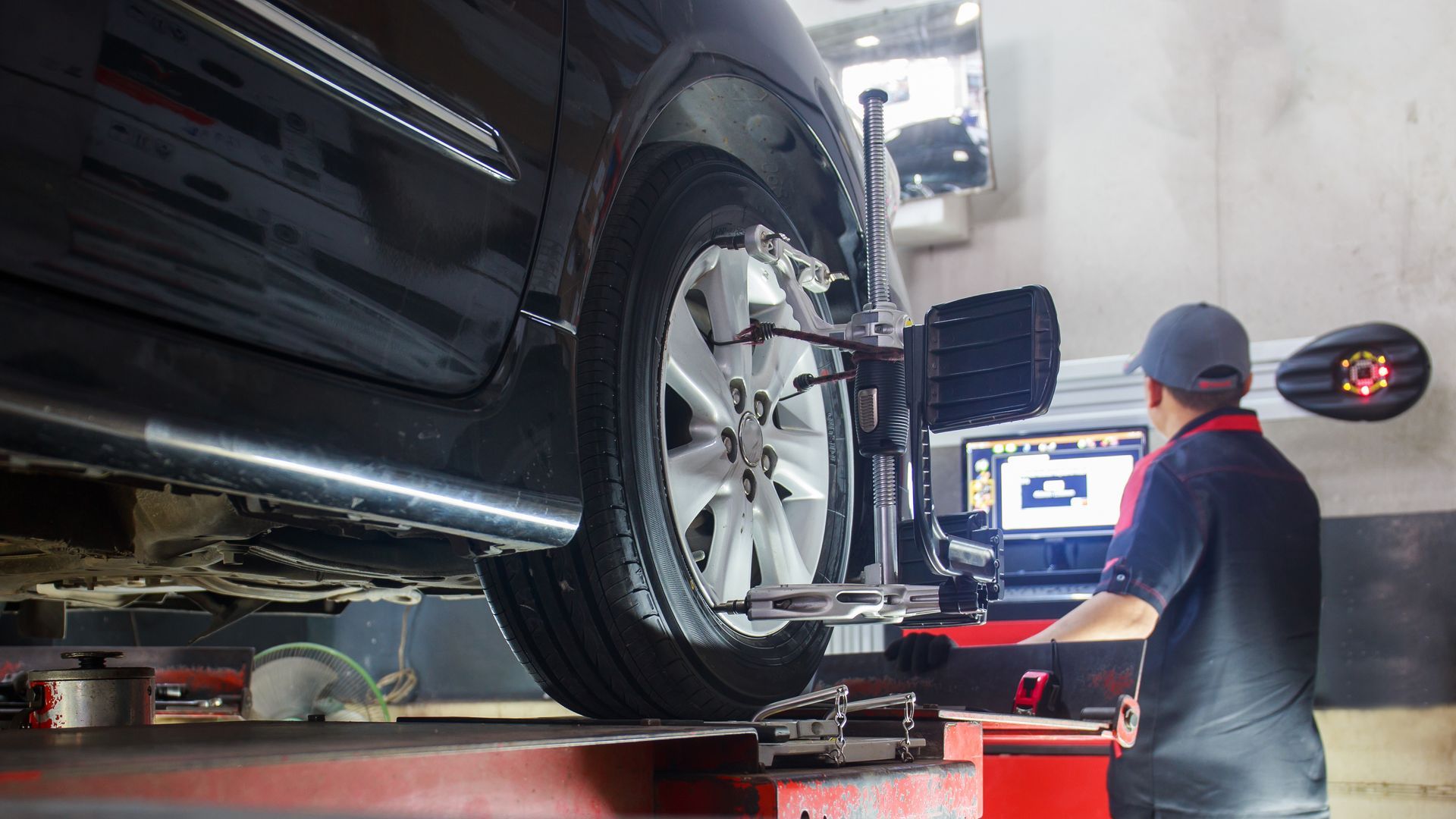
It also helps to look at these systems together. A brake pull can be brake-related, but it can also be a tire issue that shows up when weight shifts forward. Uneven tire wear can come from alignment problems, but it can also come from worn suspension parts that let the angles change while driving. When you check the whole picture, the fix becomes clearer and usually less expensive.
Steering And Suspension
Steering and suspension wear often creeps in so slowly that you adapt to it. A tiny amount of play in a tie rod, a tired control arm bushing, or a ball joint that is starting to loosen can make the car feel vague. Grooved pavement and crosswinds can amplify it, which is why some drivers think the road is the problem. Sometimes it is, but those roads can also reveal a weak spot.
If your vehicle has had a pothole hit, a curb tap, or a long stretch of rough roads, this category deserves extra attention. Worn shocks and struts can also affect braking because the tires do not stay planted as well over bumps. That is why we look for leaks, damaged mounts, and uneven tire contact. The car should feel predictable, not like it is constantly asking for corrections.
Visibility And Electrical
Lights and wipers are simple, but they matter more than people think. A dim headlight, a weak brake light, or a turn signal that is intermittent can make you invisible at the worst time. Worn wipers are the same story, because a little streaking becomes a big deal in a downpour. Washer nozzles that barely spray are another common miss that is easy to fix.
Electrical health plays into this too. A weak battery can still start the car most days, then fail without much warning when temperatures drop or after a short trip. Corrosion at the terminals can cause odd glitches that look like bigger problems than they are. If the basics are strong, the rest of the car behaves better.
Get Your Annual Safety Inspection In Dieppe, NB With JP's Garage
If you want a clear, practical yearly safety check, JP's Garage can go through the items that most affect stopping, steering, and visibility and tell you what is wearing now versus what can wait. You will get straightforward guidance, not a scare tactic list.
Leave with a car you can trust on the next rainy commute.